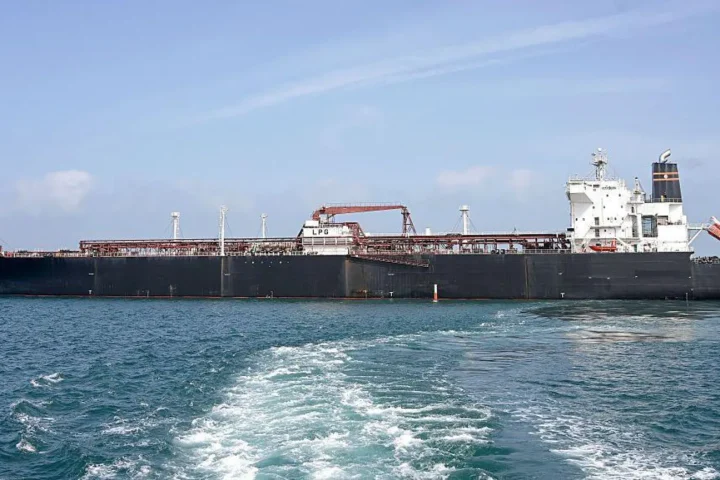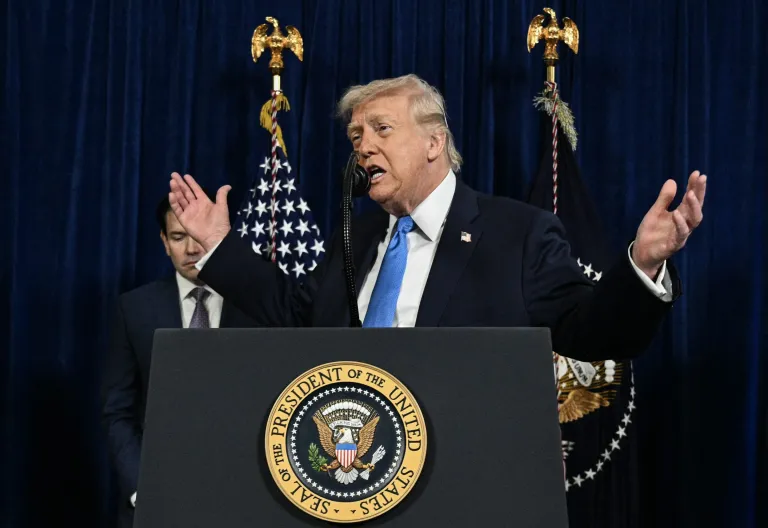
President Donald Trump met with top oil executives on January 9, 2026, at the White House, urging American and European oil companies to invest at least $100 billion to rebuild Venezuela’s oil industry. The plan aims to rapidly restore the country’s oil production capacity and create significant wealth. However, major oil companies, including ExxonMobil, ConocoPhillips, and Chevron, expressed skepticism, warning that Venezuela’s unstable legal and security conditions must be addressed before they can make any long-term investments.
Challenges to Investment in Venezuela’s Oil Sector
Exxon’s Chairman and CEO Darren Woods was particularly vocal about the challenges. He emphasized that Venezuela remains “uninvestable” without substantial reforms. According to Woods, the legal framework needs significant changes to provide durable investment protections. Exxon has had its assets expropriated in Venezuela twice, most recently in 2007, and Woods noted that reentering the country would require drastic changes from previous experiences.
Trump’s administration, however, remains optimistic, suggesting that the market’s potential, especially with the rise of artificial intelligence, could lead to a flourishing oil sector. Trump highlighted the strategic importance of rebuilding Venezuela’s oil infrastructure, which has been in disrepair for years due to political instability and economic mismanagement.
Oil Companies Push for Reforms Before Committing
ConocoPhillips and Chevron echoed Exxon’s concerns, noting that substantial reforms to the Venezuelan oil sector, including its state-run oil company PDVSA, would be necessary before any meaningful investment can occur. ConocoPhillips Chairman and CEO Ryan Lance emphasized that these reforms would need to encompass not just economic but also structural changes within the entire Venezuelan energy system.
Lance further stated that while the company remains interested in exploring opportunities, it would be impossible to move forward without a complete overhaul of the country’s energy policies. He also referred to the $12 billion in losses ConocoPhillips suffered from past expropriations, highlighting the importance of a “clean slate” for future investments.
The Role of the Stock Market and Potential Risk
One of the key issues driving the differing projections is the assumption of a strong stock market performance, which underpins much of the revenue expectations. Trump’s administration has placed confidence in the ongoing optimism surrounding artificial intelligence, predicting that this could buoy the stock market and drive increased revenue for U.S. companies investing in Venezuela.
However, some industry analysts warn that the AI boom could be a temporary bubble. The LAO has cautioned that history suggests the stock market could overreact to major technological advances, and if the AI-driven growth proves unsustainable, it could lead to a significant downturn in investment expectations.
Chevron’s Commitment to Venezuela’s Future
Despite the overall caution from the oil giants, Chevron’s Vice Chairman Mark Nelson expressed a willingness to continue operations in Venezuela. Chevron is the only major American oil producer currently active in the country under a special license, and Nelson stated that Chevron could increase its oil flows by 50% within two years. However, he cautioned that achieving even modest production increases will require careful planning and consistent investment in infrastructure.
Read: Trump Declares Venezuela Airspace Closed to Combat Drugs and Trafficking
Economic and Political Risk
The ongoing instability in Venezuela has led many companies to proceed with caution, and analysts have suggested that the full recovery of Venezuela’s oil sector may take over a decade. Rystad Energy estimates that raising production to pre-crisis levels could require over $180 billion in investments, with only incremental growth in production expected until at least 2030.
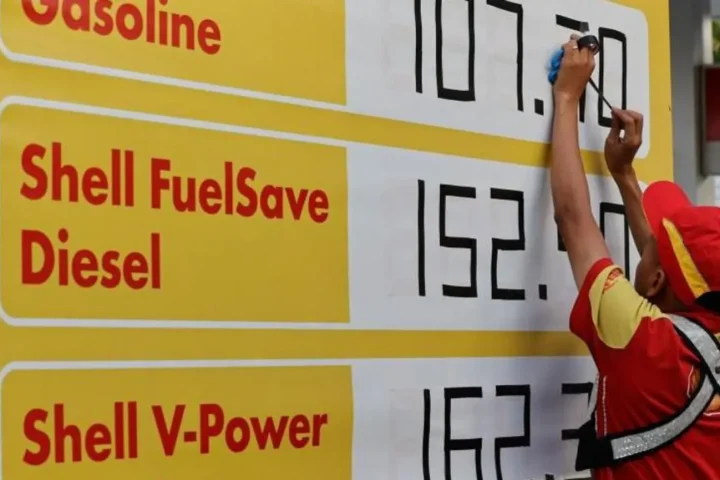
For Trump, securing a large-scale investment in Venezuela’s oil sector is seen as a way to lower U.S. gasoline prices. However, the prospect of an oil boom in Venezuela has sparked concern within the U.S. shale oil industry, which could face lower prices and reduced profits as a result.
The Future of Venezuela’s Oil Industry
The oil industry’s future in Venezuela hinges on a delicate balance of political reform, legal guarantees, and a stable investment climate. Trump’s administration is pressing ahead with its ambitious plan, but many of the oil executives involved remain hesitant, acknowledging that while interest in Venezuela’s resources is high, the risks are considerable.
As the discussions continue, both the Venezuelan government and U.S. oil companies will have to navigate a complex web of financial, legal, and political challenges before any subsantial investments can be made.