Blog

  • World Cup Goal Kings and the History Behind the Record

    World Cup Goal Kings and the History Behind the Record

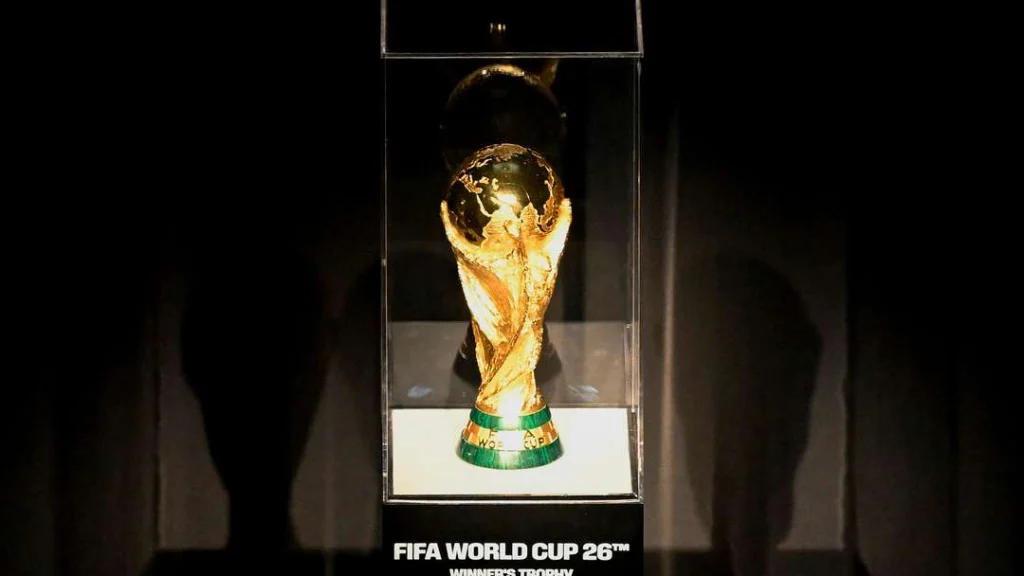
    World Cup goal kings are footballers who turned the biggest tournament in the sport into a stage for permanent history. Goals scored at the FIFA World Cup are different from goals scored in league matches, cup ties or even continental competitions. They carry the weight of nations. They arrive in a tournament that takes place only once every four years. They are remembered by generations of supporters, replayed in documentaries and written into football records with a sense of permanence.

    The all-time World Cup scorers list is therefore more than a ranking of numbers. It is a record of players who delivered when the opportunity was rare and the pressure was enormous. A footballer can enjoy a brilliant club career and still never score enough World Cup goals to enter this conversation. A striker can dominate domestic football but struggle internationally because his national team lacks structure, creativity or tournament consistency.

    That is why the names on this list matter so much. Lionel Messi, Kylian Mbappe, Miroslav Klose, Ronaldo, Gerd Muller, Just Fontaine, Pele, Jurgen Klinsmann, Sandor Kocsis, Gabriel Batistuta, Teofilo Cubillas, Harry Kane, Grzegorz Lato, Gary Lineker, Thomas Muller, Helmut Rahn, Ademir, Roberto Baggio, Eusebio, Jairzinho, Paolo Rossi, Karl-Heinz Rummenigge, Uwe Seeler, Vava, Christian Vieri and David Villa all represent different kinds of World Cup greatness.

    Some of these players became champions. Others never won the trophy but still shaped the tournament through individual brilliance. Some built their records over many World Cups. Others produced one unforgettable campaign that still stands among the greatest individual achievements in football history.

    As of the supplied 2026 World Cup data, Lionel Messi leads the overall chart with 18 goals. Kylian Mbappe and Miroslav Klose are level on 16. Ronaldo follows with 15, Gerd Muller has 14, Just Fontaine has 13, and Pele has 12. Behind them is a deep list of football legends whose goals tell the story of how World Cup attacking play has evolved.

    Why World Cup Goals Carry Unique Value

    A World Cup goal carries unique value because the tournament offers very few chances. In a domestic league, a forward can miss one week and score the next. At the World Cup, one missed opportunity can end a campaign. A player may wait four years for the tournament, play three matches and go home. That scarcity makes every goal more important.

    The World Cup also creates a different emotional environment. Players are not only representing a club or a fan base. They are representing a nation. A goal can bring national celebration. A miss can bring years of debate. The pressure is immediate and intense.

    There is also a tactical challenge. International teams do not train together all year. Their attacking patterns are often less polished than club systems. A striker may not receive the same type of passes he receives at club level. A winger may have to defend more. A playmaker may carry more responsibility because the team lacks club-level chemistry.

    The greatest World Cup scorers overcome all of that. They score despite limited preparation, limited matches and high-pressure moments. Some do it through speed. Some through movement. Some through instinct. Some through technical genius. The result is the same: their goals become part of tournament history.

    Lionel Messi: Argentina’s All-Time World Cup Leader

    Lionel Messi leads the World Cup goal kings list with 18 goals in 28 matches for Argentina. His record spans six tournaments: 2006, 2010, 2014, 2018, 2022 and 2026.

    Messi’s achievement is unusual because he was never only a striker. He has played as a right winger, false nine, second striker, number 10 and free attacking playmaker. For Argentina, he often carried several jobs at once. He had to create chances, progress the ball, score goals, lead the team and manage the emotional pressure around the national side.

    His World Cup story began in 2006, when he scored as a young player. In 2010, he failed to score but remained involved creatively. In 2014, he scored four goals and led Argentina to the final. In 2018, he added one goal during a difficult tournament.

    The decisive chapter came in 2022. Messi scored seven goals and captained Argentina to the World Cup title. He scored in every knockout round and delivered in the final. That tournament changed his international legacy completely.

    In 2026, Messi moved to the top of the all-time scoring chart after a hat-trick against Algeria and more goals against Austria. His record reflects not only scoring ability but also longevity, intelligence and tactical evolution.

    Messi stands apart because he became the tournament’s leading scorer while also being one of its greatest creators.

    Kylian Mbappe: France’s Fastest-Rising Record Chaser

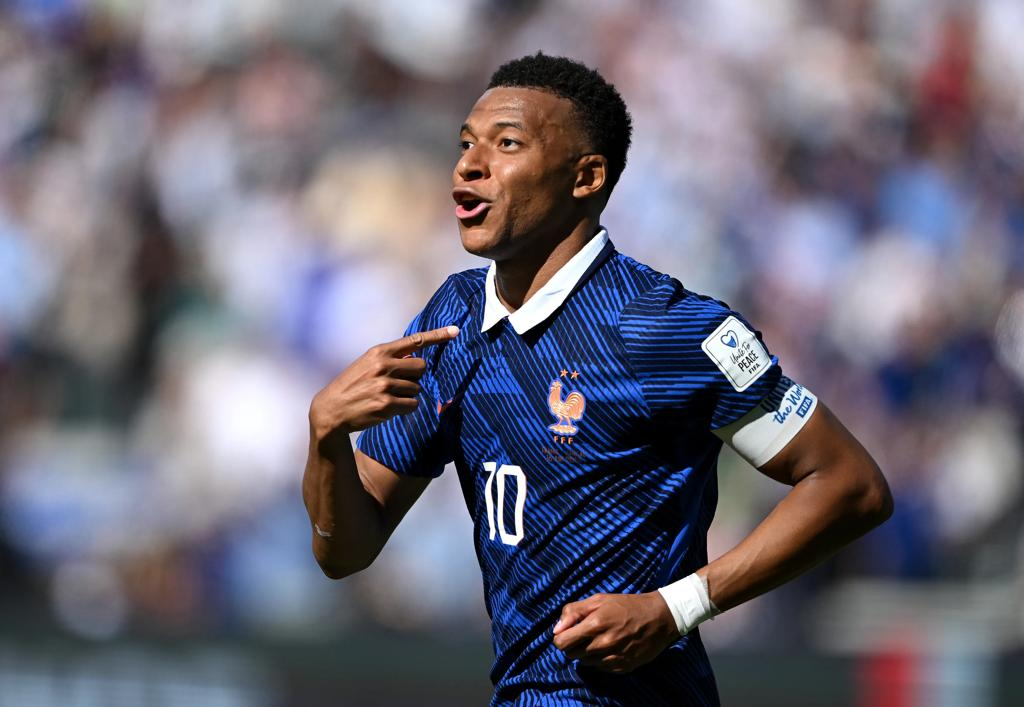
    Kylian Mbappe has 16 World Cup goals in only 16 matches for France. That rate makes him one of the most dangerous modern tournament scorers football has seen.

    Mbappe’s first World Cup came in 2018, and he immediately looked like a player built for the stage. He scored four goals as France won the trophy in Russia. His goal in the final against Croatia made him the first teenager since Pele to score in a World Cup final.

    In 2022, Mbappe raised his level again. He scored eight goals, won the Golden Boot and produced a hat-trick in the final against Argentina. France lost on penalties, but Mbappe’s individual performance became one of the greatest final displays in World Cup history.

    By 2026, he had reached 16 goals after braces against Senegal and Iraq. That moved him level with Miroslav Klose and within range of Messi’s record.

    Mbappe’s game is built around speed, timing and directness. He can score from the left, through central runs, in transition and from penalties. His acceleration forces defenders to change their positioning, often creating space for France’s entire attack.

    Mbappe is the clearest active threat to the all-time record. If he remains fit and France continue to reach the knockout rounds, he could become the leading scorer in World Cup history.

    Miroslav Klose: Germany’s Master of Tournament Consistency

    Miroslav Klose scored 16 World Cup goals in 24 matches for Germany. Before Messi moved ahead and Mbappe drew level, Klose was the tournament’s record scorer.

    Klose played in four World Cups: 2002, 2006, 2010 and 2014. He scored five goals in 2002, five in 2006, four in 2010 and two in 2014. His final tournament ended with Germany winning the trophy in Brazil.

    Klose’s greatness was based on movement, timing and reliability. He was not the most spectacular forward of his generation, but he was one of the most efficient tournament players. He understood where to move before the ball arrived. He attacked crosses well, reacted quickly to rebounds and finished without panic.

    Many of his goals looked simple because his positioning made them simple. That is often the mark of an elite striker. He made himself available in exactly the right place.

    Germany’s consistency gave him chances, but Klose still had to score. His record across four tournaments proves that his World Cup success was not an accident. He remained dangerous across different squads, different ages and different tactical systems.

    Klose is one of the great examples of a player whose World Cup legacy became greater than his club reputation.

    Ronaldo: Brazil’s Phenomenon

    Ronaldo Nazario scored 15 World Cup goals in 19 matches for Brazil across 1994, 1998, 2002 and 2006.

    Ronaldo was in Brazil’s 1994 title-winning squad as a teenager, though he did not score. His real World Cup story began in 1998, when he scored four goals and helped Brazil reach the final. That campaign ended in defeat to France, but Ronaldo had already shown the world his extraordinary attacking ability.

    His defining tournament came in 2002. After major injuries threatened his career, Ronaldo returned to lead Brazil to the title in South Korea and Japan. He scored eight goals, including both goals in the final against Germany. It remains one of the greatest comeback stories in football.

    In 2006, Ronaldo scored three more goals and became the World Cup’s all-time leading scorer at that time.

    At his peak, Ronaldo was almost impossible to defend. He had speed, balance, strength, dribbling and composure in front of goal. He could run beyond defenders, beat goalkeepers one-on-one and create chances from almost nothing.

    His 15 goals are historic, but his World Cup legacy is also about fear. When Ronaldo attacked space, defenders looked vulnerable no matter how organised they were.

    Gerd Muller: West Germany’s Box Assassin

    Gerd Muller scored 14 World Cup goals in just 13 matches for West Germany. His goals came across the 1970 and 1974 tournaments.

    Muller’s efficiency remains one of the strongest records in World Cup history. He scored 10 goals in 1970 and four more in 1974, when West Germany won the tournament.

    Muller was a pure penalty-box finisher. He did not need long dribbles, wide runs or spectacular tricks. His power was instinct. He reacted faster than defenders, turned quickly in tight spaces and finished chances that looked too small for most players.

    His most important World Cup moment came in the 1974 final against the Netherlands. Muller scored the winning goal, giving West Germany the title.

    Fourteen goals in 13 matches is extraordinary. Many great players have needed far more games to reach similar totals. Muller did it through ruthless finishing and perfect anticipation.

    He remains one of the clearest examples of a striker who could define matches with only a few touches.

    Just Fontaine: France’s One-Tournament Record Holder

    Just Fontaine scored 13 World Cup goals for France, all in the 1958 tournament.

    His achievement remains one of the most famous records in football. No player has ever scored more goals in a single World Cup. Fontaine played only six matches and scored 13 times, a rate that still feels almost impossible.

    France did not win the tournament, but Fontaine became one of its defining figures. His movement, finishing and confidence made him unstoppable during that campaign.

    What makes Fontaine’s record so powerful is that it came in one edition. Other players needed several World Cups to build their totals. Fontaine reached 13 in one month.

    His record has survived many generations of elite attackers. The tournament has expanded, tactics have changed and many great forwards have come and gone, but Fontaine’s single-tournament mark remains untouched.

    Fontaine proves that World Cup immortality can be created in one extraordinary campaign.

    Pele: Brazil’s Three-Time World Champion

    Pele scored 12 World Cup goals in 14 matches for Brazil across 1958, 1962, 1966 and 1970.

    Pele’s World Cup career began in 1958, when he was only 17. He scored six goals and helped Brazil win the trophy. His performances in the semi-final and final made him a global star.

    In 1962, he scored once before injury limited his role, but Brazil still won the tournament. In 1966, he scored again, though Brazil exited early. In 1970, he returned as the leader of one of the greatest teams in football history, scoring four goals as Brazil won another World Cup.

    Pele remains the only player to win three World Cups. That makes his scoring record even more significant.

    He was not just a goal scorer. Pele could pass, dribble, head, create and finish. He helped define Brazil’s identity as the home of attacking football.

    Several players have passed his goal total, but none has matched his combination of World Cup goals, influence and titles.

    Jurgen Klinsmann: Germany’s Reliable Finisher

    Jurgen Klinsmann scored 11 World Cup goals in 17 matches for West Germany and Germany across 1990, 1994 and 1998.

    Klinsmann was part of the West Germany team that won the 1990 World Cup. He scored three goals during that campaign, then added five in 1994 and three more in 1998.

    His record reflects consistency. He was not carried by one extraordinary tournament. He delivered across three different editions and remained useful through different stages of his career.

    Klinsmann was a mobile striker with strong aerial ability and a competitive edge. He attacked crosses, pressed defenders and moved aggressively into scoring areas. His style suited tournament football because he combined work rate with finishing instinct.

    Germany has produced many effective World Cup forwards, and Klinsmann is one of the most productive. His 11 goals place him firmly among the tournament’s major scorers.

    Sandor Kocsis: Hungary’s Golden Head

    Sandor Kocsis scored 11 World Cup goals in just five matches for Hungary in 1954.

    Kocsis played for the famous Magical Magyars, one of the most influential attacking teams in football history. Hungary entered the 1954 tournament as a major favourite and produced some of the most advanced football of the era.

    Kocsis was the team’s main scoring weapon. He was famous for his heading ability, but he was also an intelligent mover and clinical finisher. His 11 goals in five matches remain one of the most remarkable scoring rates the World Cup has seen.

    Hungary reached the final but lost to West Germany in the Miracle of Bern. That defeat denied Kocsis a World Cup winner’s medal, but his individual record remains legendary.

    Like Fontaine, Kocsis shows that one tournament can be enough to write a player into football history.

    Gabriel Batistuta: Argentina’s Power Number Nine

    Gabriel Batistuta scored 10 World Cup goals in 12 matches for Argentina across 1994, 1998 and 2002.

    Batistuta was a classic number nine. He had power, confidence and one of the most feared shots of his generation. He did not need to control entire matches. He needed only the chance to shoot.

    He scored four goals in 1994, five in 1998 and one in 2002. Before Messi moved far ahead, Batistuta was Argentina’s great World Cup scoring reference.

    His game was based on finishing rather than playmaking. Argentina looked to him for the final touch. He could score with power, precision and authority.

    Argentina did not reach a World Cup final during Batistuta’s tournament years, limiting his chance to add more knockout goals. Even so, 10 goals in 12 matches is an elite record.

    Batistuta remains one of the greatest pure strikers Argentina has produced.

    Teofilo Cubillas: Peru’s Greatest Tournament Scorer

    Teofilo Cubillas scored 10 World Cup goals in 13 matches for Peru across 1970, 1978 and 1982.

    Cubillas is one of Peru’s greatest footballers and one of South America’s most respected World Cup players. He scored five goals in 1970 and five more in 1978.

    His record stands out because Peru did not regularly reach the later stages of the tournament. Players from the strongest World Cup nations often get more matches, but Cubillas still reached double figures without that same advantage.

    He was a technical attacking midfielder-forward. He could create, shoot from distance, score from set pieces and influence the rhythm of a match.

    Cubillas represents the World Cup’s wider magic. The tournament does not only celebrate champions. It also preserves the brilliance of players who carried less dominant nations into global football memory.

    His 10 goals remain a landmark for Peru.

    Harry Kane: England’s Modern World Cup Striker

    Harry Kane has scored 10 World Cup goals in 12 matches for England across 2018, 2022 and 2026.

    Kane made his major impact in 2018, scoring six goals and winning the Golden Boot. England reached the semi-finals, and Kane became the main forward of a new national-team era.

    He added two goals in 2022 and two more in 2026, bringing him to 10.

    Kane is a modern centre-forward with a broad game. He can score penalties, finish inside the box, drop deep to link play and create passing lanes for teammates. His movement is intelligent rather than purely explosive.

    His World Cup record places him among England’s greatest tournament scorers. He now belongs in the same conversation as Gary Lineker, another English striker who reached 10 World Cup goals.

    Kane’s next challenge is turning scoring consistency into a defining team achievement.

    Grzegorz Lato: Poland’s Golden Boot Winner

    Grzegorz Lato scored 10 World Cup goals in 20 matches for Poland across 1974, 1978 and 1982.

    Lato’s peak came in 1974, when he scored seven goals and finished as the tournament’s top scorer. Poland were one of the strongest teams in that competition, and Lato was central to their attacking threat.

    He added two goals in 1978 and one more in 1982. That gave him a record built across three tournaments, not one.

    Lato was known for pace, movement and direct attacking play. He could exploit space behind defenders and finish calmly when chances came.

    His 10 goals remain one of the greatest World Cup records by a Polish player. He represents one of the strongest eras in Poland’s football history.

    Gary Lineker: England’s Penalty-Box Expert

    Gary Lineker scored 10 World Cup goals in 12 matches for England across 1986 and 1990.

    Lineker won the Golden Shoe in 1986 after scoring six goals. Four years later, he added four more as England reached the semi-finals in Italy.

    His equaliser against West Germany in the 1990 semi-final remains one of England’s most memorable World Cup goals. England lost on penalties, but Lineker’s finish kept the match alive.

    Lineker was a penalty-box specialist. He was not physically dominant and did not rely on spectacular long-range shots. His strength was movement. He knew where to stand and when to arrive.

    Ten goals in 12 matches is an outstanding record. Lineker remains one of England’s most efficient World Cup scorers.

    Thomas Muller: Germany’s Space Interpreter

    Thomas Muller scored 10 World Cup goals in 19 matches for Germany across 2010, 2014, 2018 and 2022.

    Muller scored five goals in 2010 and won the Golden Boot. He added five more in 2014 as Germany won the World Cup.

    His role was unusual. Muller was not a classic striker or winger. He was a player who interpreted space better than most defenders. He arrived late, attacked gaps and finished chances created by movement rather than obvious physical dominance.

    He did not score in 2018 or 2022, but his first two tournaments secured his place among the all-time scorers.

    Muller’s record proves that World Cup scoring is not only about speed, height or shooting power. It can also be about intelligence and timing.

    Helmut Rahn: West Germany’s Final Hero

    Helmut Rahn scored 10 World Cup goals in 10 matches for West Germany across 1954 and 1958.

    Rahn’s most famous goal came in the 1954 final against Hungary. His winner completed West Germany’s comeback in the Miracle of Bern and gave the country its first World Cup title.

    He scored four goals in 1954 and six more in 1958. A goal-per-game record at the World Cup is exceptional by any standard.

    Rahn was a direct forward with strong shooting ability and a sense for major moments. His record is impressive statistically and historically.

    Many players are remembered for their totals. Rahn is remembered for his total and for one of the most important goals in German football history.

    Ademir: Brazil’s 1950 Scoring Star

    Ademir scored nine World Cup goals in six matches for Brazil at the 1950 tournament.

    He was the top scorer of that World Cup and one of Brazil’s earliest major tournament attackers. His goals helped Brazil reach the decisive final match on home soil.

    Brazil’s campaign ended painfully with defeat to Uruguay at the Maracana. That match remains one of the most famous shocks in World Cup history.

    Ademir’s individual record should still be respected. Nine goals in six matches is a remarkable scoring return. His movement and finishing helped establish Brazil’s early reputation for producing elite attacking players.

    His place on the list connects modern Brazilian greatness with the country’s earlier World Cup history.

    Roberto Baggio: Italy’s Creative Goal Scorer

    Roberto Baggio scored nine World Cup goals in 16 matches for Italy across 1990, 1994 and 1998.

    Baggio was not a traditional striker. He was a creative forward, a dribbler, a passer and a finisher. His game carried elegance and intelligence, but it also carried end product.

    His defining tournament came in 1994. Italy struggled early, but Baggio lifted them through the knockout rounds. He scored decisive goals against Nigeria, Spain and Bulgaria to take Italy to the final.

    The final ended with his missed penalty against Brazil, one of the most famous moments in World Cup history. But that moment should never erase the brilliance that brought Italy there.

    Baggio’s nine goals show that artistry and scoring can exist together. He was a creator who also delivered decisive finishes.

    Eusebio: Portugal’s First World Cup Superstar

    Eusebio scored nine World Cup goals in six matches for Portugal at the 1966 tournament.

    Portugal were appearing at the World Cup for the first time, and Eusebio turned them into one of the tournament’s major stories. He had pace, power and a fierce shot.

    His most famous performance came against North Korea, when Portugal came from 3-0 down and Eusebio scored four goals. That match remains one of the greatest comeback performances in World Cup history.

    Portugal finished third, and Eusebio finished as the tournament’s top scorer. His nine goals in one edition remain one of the best single-tournament returns.

    Eusebio did not win the trophy, but his 1966 campaign made him one of the greatest players in World Cup history.

    Jairzinho: Brazil’s Every-Match Scorer

    Jairzinho scored nine World Cup goals in 16 matches for Brazil across 1966, 1970 and 1974.

    His legacy is built around the 1970 tournament, where he scored in every match as Brazil won the World Cup. That achievement remains one of the rarest scoring feats in tournament history.

    Jairzinho was a wide forward rather than a traditional striker. He brought power, pace and directness to a Brazil team that also featured Pele, Tostao, Rivelino and Carlos Alberto.

    His goal in the final against Italy helped complete one of the most famous World Cup campaigns ever.

    Jairzinho’s record proves that wide attackers can be just as decisive as centre-forwards when their movement and finishing are elite.

    Paolo Rossi: Italy’s Decisive 1982 Hero

    Paolo Rossi scored nine World Cup goals in 14 matches for Italy across 1978 and 1982.

    Rossi’s legend comes from the 1982 tournament. After a slow start, he exploded into form when Italy needed him most.

    His hat-trick against Brazil is one of the most famous performances in World Cup history. He then scored twice against Poland in the semi-final and opened the scoring in the final against West Germany.

    Italy won the World Cup, and Rossi became the face of the campaign.

    Rossi was a striker of instinct. He did not dominate physically, but he sensed chances earlier than defenders. His timing was exceptional.

    His nine goals matter because so many came in decisive matches. Few players have shaped a World Cup knockout stage more dramatically.

    Karl-Heinz Rummenigge: West Germany’s Elite Forward

    Karl-Heinz Rummenigge scored nine World Cup goals in 19 matches for West Germany across 1978, 1982 and 1986.

    Rummenigge was one of Europe’s leading forwards of his generation. He combined technical ability, athletic movement and finishing. He could play as a striker or attacking midfielder, making him tactically flexible.

    His strongest tournament was 1982, when he scored five goals and helped West Germany reach the final. He also scored three goals in 1978 and one in 1986.

    Although he did not win the World Cup as a player, Rummenigge remained a key attacking figure for West Germany across three tournaments.

    His nine goals reflect sustained quality and place him among Germany’s many great World Cup attackers.

    Uwe Seeler: West Germany’s Long-Serving Leader

    Uwe Seeler scored nine World Cup goals in 21 matches for West Germany across 1958, 1962, 1966 and 1970.

    Seeler’s record is built on longevity. Playing in four World Cups is rare. Remaining productive across that span is even rarer.

    He was a respected forward who could lead the line, score headers and bring others into play. He helped West Germany remain competitive across multiple tournament cycles.

    Seeler reached the 1966 final and remained an important national-team figure for many years.

    His nine goals did not come at the explosive rate of Fontaine or Kocsis, but they represent durability, leadership and consistent contribution at the highest level.

    Vava: Brazil’s Efficient Champion

    Vava scored nine World Cup goals in 10 matches for Brazil across 1958 and 1962.

    He was a key striker in Brazil’s back-to-back World Cup triumphs. In 1958, he scored five goals, including two in the final against Sweden. In 1962, he added four more as Brazil won again.

    Vava played alongside legends such as Pele and Garrincha, but his own role was essential. He gave Brazil a central goal threat and delivered in major matches.

    His ability to score in finals made him especially valuable. Many players score in group games. Vava scored when titles were being decided.

    Nine goals in 10 matches is an excellent return. He remains one of Brazil’s most efficient World Cup forwards.

    Christian Vieri: Italy’s Goal-Per-Game Striker

    Christian Vieri scored nine World Cup goals in nine matches for Italy across 1998 and 2002.

    His goal-per-game record is one of the strongest among modern World Cup forwards. He scored five goals in 1998 and four more in 2002, despite Italy not reaching the final in either tournament.

    Vieri was a powerful centre-forward with excellent left-footed finishing. He could hold off defenders, attack crosses and score with authority.

    Italy’s tournament exits limited his opportunities. With longer runs, Vieri could have climbed much higher on the all-time list.

    Even so, nine goals in nine matches is elite. It proves that, when Italy created chances for him, Vieri was one of the most dangerous strikers in the competition.

    David Villa: Spain’s World Cup Finishing Touch

    David Villa scored nine World Cup goals in 12 matches for Spain across 2006, 2010 and 2014.

    Villa is Spain’s leading World Cup scorer and one of the most important forwards in the country’s golden generation. His biggest tournament came in 2010, when Spain won the World Cup for the first time.

    Spain’s style was built on possession, patience and midfield control. Villa gave that system the cutting edge it needed. He scored five goals in 2010 and repeatedly delivered in tight matches where Spain needed one decisive finish.

    Villa could play centrally or from the left. His movement, technique and clean finishing made him Spain’s most reliable attacking weapon.

    His nine goals helped turn Spain’s beautiful football into World Cup success.

    What the World Cup Goal Kings Tell Us About Football

    The World Cup goal kings list shows that there is no single formula for tournament scoring greatness.

    Messi reached the top as a scoring playmaker. Mbappe is chasing the record through speed and directness. Klose became a legend through consistency. Ronaldo brought explosive striker power. Muller mastered the penalty box. Fontaine produced one perfect tournament. Pele combined goals with unmatched team success.

    Batistuta and Vieri were power forwards. Lineker and Rossi were instinctive finishers. Baggio and Cubillas were creative attackers. Jairzinho scored from wide areas. Villa supplied the goals that Spain’s passing system needed. Kane represents the modern striker who can score and link play.

    Together, they show that World Cup goals can come from many profiles. What matters is not the style. What matters is whether the player can decide matches when the pressure is highest.

    Conclusion

    World Cup goal kings are the players who turned rare opportunities into permanent football history. The FIFA World Cup offers fewer matches than club football, but every goal carries more emotional and historical weight.

    Lionel Messi leads the all-time list with 18 goals for Argentina. Kylian Mbappe and Miroslav Klose follow with 16. Ronaldo, Gerd Muller, Just Fontaine and Pele remain among the most important scorers the tournament has produced.

    The full list also includes Jurgen Klinsmann, Sandor Kocsis, Gabriel Batistuta, Teofilo Cubillas, Harry Kane, Grzegorz Lato, Gary Lineker, Thomas Muller, Helmut Rahn, Ademir, Roberto Baggio, Eusebio, Jairzinho, Paolo Rossi, Karl-Heinz Rummenigge, Uwe Seeler, Vava, Christian Vieri and David Villa.

    Some won the trophy. Some finished as top scorers. Some carried nations that fell short. Some became legends in one tournament. Others built their record across several World Cups.

    Records may change as new tournaments produce new stars. Mbappe may yet challenge Messi’s place at the top. Future players may also climb the list. But every name already here has achieved something that cannot be removed: they scored on football’s biggest stage, and those goals became part of World Cup history.

    Source: Nyongesa Sande

  • Europe Heatwave Triggers Health Warnings Across Major Cities

    Europe Heatwave Triggers Health Warnings Across Major Cities

    Europe heatwave conditions are intensifying across several countries, with temperatures approaching or exceeding 40°C in parts of Spain, Italy and France, forcing authorities to issue public-health warnings and emergency advisories as cities struggle under dangerous early-summer heat.

    The heatwave has pushed daily life into disruption across parts of the continent. Residents have been advised to avoid unnecessary outdoor activity, stay hydrated and check on vulnerable people, including the elderly, young children, outdoor workers and people with existing health conditions.

    In France, authorities have issued high-level heat alerts in several areas as temperatures climb toward extreme levels. Parts of the country have also seen school closures, transport concerns and emergency measures aimed at reducing heat-related risks. In Italy, red alerts have been issued in multiple cities, warning that the heat could pose risks even to healthy people if exposure is prolonged. Spain has also faced its first official heatwave of the year, with Madrid and other areas experiencing severe conditions.

    But the crisis is not limited to people. Wildlife is also under pressure. In Belgium, rehabilitation centres have reported rising numbers of animals suffering from heat stress as birds, small mammals and other species struggle to cope with unusually high temperatures.

    The heatwave is another sign of how extreme weather is becoming a growing challenge for European cities, health systems, transport networks, energy infrastructure and ecosystems.

    Cities Struggle Under Near-40°C Temperatures

    European cities are particularly vulnerable during major heatwaves because concrete, asphalt and dense buildings absorb and trap heat. This creates what scientists call an urban heat island effect, where cities remain hotter than surrounding rural areas, especially at night.

    That means people living in cities may not get relief even after sunset. Nighttime heat is especially dangerous because the body needs cooler temperatures to recover. When temperatures remain high overnight, the risk of heat-related illness rises.

    In large cities such as Madrid, Rome, Milan, Paris and Lyon, the combination of traffic, buildings, limited shade and high energy demand can make heatwaves feel even more intense. Public transport systems may also come under pressure as tracks, roads and electrical systems respond to extreme temperatures.

    For residents without air conditioning or access to cool public spaces, heatwaves can quickly become a serious public-health threat. Authorities often open cooling centres, adjust school schedules and advise people to avoid outdoor exercise during the hottest parts of the day.

    France Faces High-Level Heat Alerts

    France has been among the countries most affected by the latest heatwave. Several regions have experienced temperatures close to or above 40°C, prompting health warnings and emergency planning.

    French authorities have taken heatwaves increasingly seriously since previous extreme weather events exposed the risks to older and vulnerable residents. Public messaging now focuses on hydration, checking on neighbours, reducing outdoor activity and avoiding direct sun during peak afternoon hours.

    The heat has also affected schools, outdoor events and public services. When classrooms become too hot, children and teachers face difficult conditions, especially in older buildings without modern cooling systems. Some local authorities have moved to close schools or adjust schedules to protect students and staff.

    The pressure on hospitals and emergency responders can also rise during heatwaves. Heat exhaustion, dehydration and other heat-related illnesses tend to increase when temperatures remain high for several days.

    Spain Hit by First Official Heatwave of the Year

    Spain has also been dealing with intense conditions, with temperatures in some areas reaching around 40°C. The country is used to hot summers, but early and severe heat still creates risks, especially when people have not yet adjusted to the season.

    Madrid has seen residents and tourists trying to manage the heat in public spaces, markets and transport areas. Authorities have warned people about sun exposure, dehydration and wildfire risk.

    Spain’s geography makes it especially exposed to extreme heat. Inland cities can become very hot during summer, while dry conditions can increase the risk of fires. When heatwaves arrive early, they can also affect agriculture, water supplies and electricity demand.

    The latest conditions underline how southern Europe is becoming one of the front lines of climate-related heat risk.

    Italy Issues Red Alerts in Major Cities

    Italy has issued red heat alerts in several cities as temperatures rise to dangerous levels. A red alert means the heat can affect not only vulnerable people but also healthy individuals, particularly those exposed for long periods.

    Italian cities are especially exposed because of their historic urban layouts, stone streets, dense buildings and high tourist activity during summer. Visitors may spend long hours outdoors, often walking between landmarks in direct sunlight.

    The health risk increases when people underestimate the danger. Heat can build gradually, and symptoms may appear after prolonged exposure. Outdoor workers, delivery riders, construction crews, elderly residents and people without access to cooling are among the most exposed.

    The heatwave also places pressure on energy systems as demand for air conditioning rises. In periods of extreme heat, power networks may face strain, especially if demand spikes across multiple cities at the same time.

    Wildlife Under Pressure in Belgium

    The heatwave is also harming wildlife. In Belgium, animal rehabilitation centres have reported being overwhelmed by heat-stressed animals, including birds and small mammals struggling with the sudden rise in temperature.

    Wild animals face different risks from humans. They cannot simply move indoors or turn on cooling systems. Young birds, especially those nesting under roofs or in exposed areas, can be vulnerable when surfaces become extremely hot. Some animals may become dehydrated if water sources dry up or become harder to reach.

    Heat stress can also affect feeding patterns, breeding success and survival rates. When temperatures rise sharply, animals may leave nests early, become disoriented or search for shade and water in unsafe places.

    Rehabilitation centres often become the emergency line for wildlife during heatwaves. Staff and volunteers may need to treat dehydrated animals, care for young birds and respond to a sudden surge in public calls.

    The pressure on wildlife shows that heatwaves are not only a human health issue. They are ecological events that affect entire urban and rural systems.

    Why Heatwaves Are Becoming More Dangerous

    Heatwaves are becoming more dangerous because they are lasting longer, arriving earlier and reaching higher temperatures. Scientists have repeatedly warned that climate change is increasing the likelihood and intensity of extreme heat events.

    Europe is especially vulnerable because the continent has been warming rapidly. As average temperatures rise, the probability of extreme heat increases. What used to be rare can become more common, and what used to be extreme can become even more severe.

    Heatwaves are also dangerous because their impacts build over time. One hot day can be uncomfortable. Several hot days and nights in a row can become life-threatening, especially for people without cooling, those who work outside and those with health conditions.

    The same pattern affects infrastructure. Roads, railways, power systems and hospitals may cope with one day of heat, but prolonged heat creates cumulative stress.

    Public Health Systems Face Rising Pressure

    Public health officials across Europe are increasingly treating heatwaves as major emergency events. The reason is simple: extreme heat can kill, strain hospitals and worsen existing health problems.

    The most vulnerable groups include older adults, infants, outdoor workers, people with chronic illnesses, people living alone and those without access to cooling. Homeless people and low-income households can also face higher risk because they may have fewer options for escaping the heat.

    Heat can worsen heart, lung and kidney conditions. It can also cause dehydration, dizziness, exhaustion and confusion. In crowded cities, these risks can rise quickly when temperatures remain high for several days.

    That is why heat warnings are now central to emergency planning. Authorities use alerts not only to inform the public but also to prepare hospitals, care homes, schools and local services.

    Schools, Transport and Events Disrupted

    Extreme heat can disrupt daily routines across Europe. Schools may close or shorten schedules when classrooms become unsafe. Outdoor sports, festivals and public gatherings may be cancelled or moved to cooler hours.

    Transport can also be affected. Rail lines may expand in high temperatures, roads can soften, and power systems can experience greater demand. Public transport can become uncomfortable or risky if vehicles and stations are poorly cooled.

    Tourism is another major concern. Europe’s summer travel season brings millions of visitors into cities that may be experiencing dangerous heat. Tourists may not understand local warnings, may spend long hours outdoors and may be more exposed during sightseeing.

    The wider impact is economic as well as social. Heatwaves can reduce worker productivity, increase healthcare costs, disrupt agriculture and raise electricity demand.

    The Energy Challenge

    Heatwaves increase electricity demand as households, businesses and public buildings use more cooling. This can put pressure on power grids, especially during peak afternoon hours.

    At the same time, heat can reduce the efficiency of some energy systems. Power plants, transmission equipment and cooling systems may all face stress during extreme temperatures. If demand rises sharply while infrastructure is under pressure, authorities must manage the risk of outages.

    This is one reason cities and governments are investing in heat adaptation. Measures can include more tree cover, reflective roofing, better building insulation, shaded public spaces, cooling centres and improved emergency alert systems.

    Energy resilience is becoming part of climate resilience. Cities need power systems that can withstand both rising demand and extreme weather.

    How Cities Can Adapt to More Extreme Heat

    European cities are learning that heatwaves require long-term planning, not only emergency warnings. Urban design can make heat worse or reduce its impact.

    More trees and green spaces can cool streets and provide shade. Water features and shaded public areas can help residents escape direct sun. Lighter building materials can reduce heat absorption. Better insulation can keep homes cooler in summer as well as warmer in winter.

    Cities can also protect vulnerable people through targeted communication, community check-ins and public cooling spaces. Schools, hospitals and care homes need heat plans before extreme conditions arrive.

    Wildlife protection can also become part of city planning. More shaded habitats, accessible water sources and protected nesting areas can reduce pressure on animals during heatwaves.

    Europe’s Heatwave Warning

    The current Europe heatwave is a warning about the future of summer across the continent. Extreme heat is no longer a rare inconvenience. It is a public-health, infrastructure, economic and environmental challenge.

    Spain, Italy and France are already dealing with severe heat alerts, while Belgium’s wildlife centres show how animals are also paying the price. Cities are being forced to rethink how they manage heat, protect residents and reduce risks during prolonged high-temperature events.

    The challenge is not only to respond when heatwaves arrive. It is to prepare before they happen. That means stronger public-health systems, cooler cities, better building design, resilient energy networks and serious climate adaptation planning.

    Conclusion

    The powerful heatwave sweeping across Europe has pushed temperatures close to 40°C, triggered health warnings and placed pressure on cities, public services and wildlife. Spain, Italy and France are among the countries facing serious heat alerts, while rehabilitation centres in Belgium are caring for growing numbers of heat-stressed animals.

    The crisis shows how extreme heat affects more than comfort. It can disrupt schools, transport, energy systems, tourism, public health and ecosystems. It can endanger people and wildlife at the same time.

    As Europe faces hotter and more frequent heatwaves, governments and cities will need to move beyond emergency responses. The continent must adapt its buildings, streets, services and climate policies to a hotter reality.

    The latest heatwave is not only a weather event. It is a reminder that extreme heat is becoming one of Europe’s most urgent environmental and public-health challenges.

    Read Also: Space Wealth Era Begins as Musk Tops $1 Trillion After SpaceX IPO

  • USD/JPY Pushes Yen Back Into the Danger Zone

    USD/JPY Pushes Yen Back Into the Danger Zone

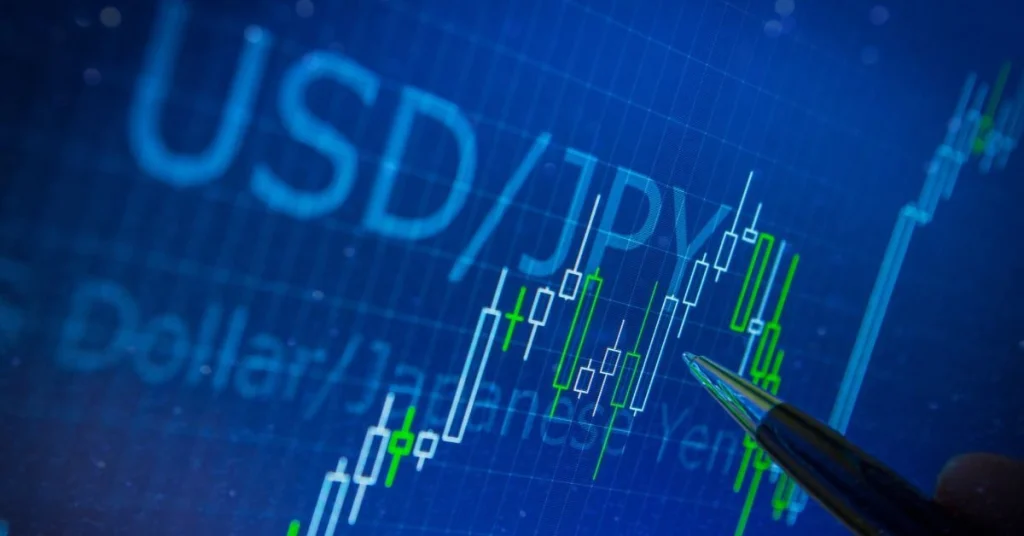
    USD/JPY moved back into dangerous territory as the Japanese yen weakened beyond the 161.50 level, reviving market concern that Tokyo could step into the foreign exchange market again.

    The dollar climbed as high as about 161.80 yen, leaving the pair close to the 161.96 level reached in July 2024. A break above that area would put the yen near levels not seen since the mid-1980s, raising the pressure on Japanese authorities at a sensitive moment for global markets.

    The move came as traders focused on the wide gap between U.S. and Japanese interest rates. The dollar remains supported by expectations that the Federal Reserve may keep policy tight or even raise rates again if inflation pressure stays strong. Japan, by contrast, still has much lower borrowing costs even after the Bank of Japan lifted rates to their highest level in decades.

    That policy divide has kept the yen under heavy pressure. It has also encouraged carry trade activity, where investors borrow in low-yielding currencies such as the yen and invest in higher-yielding assets elsewhere. When that trade expands, the yen can weaken quickly.

    For Japan, the issue is no longer only about market levels. It is about speed, speculation and the risk that currency weakness feeds into inflation. A weaker yen helps exporters, but it raises the cost of imported energy, food and raw materials. That creates pressure for households and businesses already dealing with higher living costs.

    Tokyo Faces Fresh Intervention Pressure

    Japanese officials have sharpened their language as the yen approaches levels that have previously triggered official action. Finance Ministry warnings have become more direct, with authorities saying they are prepared to take decisive steps if speculative moves become excessive.

    Currency intervention means the government directly buys or sells currencies to influence exchange rates. In Japan’s case, intervention usually means buying yen and selling dollars to slow the yen’s decline.

    Japan has used this tool before. Earlier intervention efforts helped the yen recover temporarily, but the effect faded as the dollar regained strength. That is why traders are now watching not only what officials say, but also whether they are prepared to act again.

    The market knows that Japan dislikes disorderly yen weakness. However, officials often avoid targeting a specific exchange rate. Instead, they focus on the pace of moves and whether trading appears speculative. That gives Tokyo flexibility, but it also leaves investors guessing about the actual trigger point.

    The closer USD/JPY moves toward the 162 area, the more intense that guessing game becomes.

    Why the Yen Is Weakening

    The yen’s decline is rooted in interest rate differences. U.S. yields remain much higher than Japanese yields, making dollar assets more attractive to investors. As long as that gap stays wide, the dollar has a structural advantage over the yen.

    The Bank of Japan has moved away from its ultra-loose policy era, but it has done so slowly. Japan’s economy remains sensitive to rate increases, and policymakers have been careful not to tighten too quickly. That caution has limited the yen’s ability to recover.

    Meanwhile, the Federal Reserve remains a key driver of the dollar. If traders believe U.S. rates will stay higher for longer, the dollar tends to remain supported. If they believe another Fed hike is possible, the pressure on the yen can increase further.

    This creates a difficult situation for Japan. The Bank of Japan can raise rates, but if the Federal Reserve remains more hawkish, the yield gap may still favour the dollar. That means monetary policy alone may not be enough to stop the yen from sliding.

    U.S. Holiday Liquidity Adds to FX Risk

    The timing of the USD/JPY move also matters. With U.S. stock markets closed for the Juneteenth holiday, trading attention can shift more heavily toward currencies. Lower holiday liquidity can also make price moves sharper than usual.

    Thin liquidity does not cause yen weakness by itself, but it can amplify momentum. If traders see a major level under pressure, such as the 161.96 area, a smaller number of orders may be enough to push the pair higher.

    That is why intervention speculation often rises around holidays or quiet trading sessions. Authorities may worry that disorderly moves can happen faster when liquidity is low. Traders, in turn, may become more cautious about holding aggressive yen-short positions when official action is possible.

    This tension can make USD/JPY volatile. The pair may keep rising if the dollar remains strong, but any sign of official intervention could trigger a sharp yen rebound.

    What Japan Wants to Avoid

    Japan is not trying to create a permanently strong yen. A weaker yen can support exporters by making Japanese goods cheaper overseas. It can also boost the value of overseas earnings when companies convert profits back into yen.

    The problem comes when weakness becomes too fast or too deep. Japan imports much of its energy and many raw materials. When the yen falls sharply, those imports become more expensive. That can push up costs for companies and prices for consumers.

    Higher import costs are especially sensitive when households already feel pressure from inflation. Food, fuel and electricity costs can become political issues. That is why currency weakness is not only a market story. It is also an economic and social issue.

    The Bank of Japan is watching exchange rates because they affect inflation. If yen weakness raises import prices, it can complicate monetary policy. Officials must then decide whether inflation is driven by healthy domestic demand or by currency-related cost pressure.

    That difference matters. Rate hikes can cool demand, but they do not automatically fix imported inflation if the currency keeps falling.

    Intervention May Help, But It Has Limits

    Japan can intervene, but intervention does not always change the trend for long. If the main driver of yen weakness is the U.S.-Japan rate gap, then currency purchases may only slow the move rather than reverse it.

    This is why traders often describe intervention as a speed bump rather than a wall. It can create sharp short-term moves, punish speculative positioning and restore temporary calm. But if fundamentals still support the dollar, USD/JPY can recover after the initial shock.

    For intervention to have a lasting effect, markets usually need a broader shift. That could include lower U.S. yields, stronger expectations of Bank of Japan tightening, softer U.S. inflation, or coordinated policy signals. Without those changes, intervention may buy time rather than solve the problem.

    Still, the threat of intervention matters. Traders who are heavily positioned against the yen know that official action can be sudden. That risk can limit how aggressively markets push USD/JPY higher.

    The 162 Level Becomes the Market Focus

    The area around 161.96 has become an important reference point because it marked the yen’s July 2024 low. If USD/JPY breaks above that level, the market may view the move as a test of Japan’s tolerance.

    A clear push beyond 162 could intensify pressure on Tokyo. It would also raise questions about whether authorities are willing to defend the yen through direct market action.

    Technical levels matter in foreign exchange because they influence trader behaviour. When a currency pair approaches a major high or low, stop orders, momentum trades and option-related flows can increase volatility. That makes the market more sensitive to headlines from officials.

    For now, USD/JPY is not only being driven by charts. It is being driven by policy expectations. The dollar remains supported by U.S. rate prospects, while the yen remains vulnerable because Japan’s rates are still low by global standards.

    That combination keeps the pair exposed to further swings.

    Bank of Japan Under the Spotlight

    The Bank of Japan is now under pressure from both sides. If it tightens policy too quickly, it risks hurting Japan’s fragile economic recovery. If it moves too slowly, yen weakness may continue and imported inflation may become harder to manage.

    Recent rate increases have not been enough to restore yen strength. Markets appear unconvinced that Japan will close the yield gap with the United States soon. That leaves the yen dependent on changes in global sentiment, U.S. rate expectations and possible intervention.

    Deputy Governor Ryozo Himino has signalled that policymakers are watching exchange-rate moves because of their impact on inflation and the economy. That message shows the BoJ is aware of the currency problem, even if foreign exchange intervention is formally handled by the Finance Ministry.

    The central bank’s challenge is to manage inflation without shocking the economy. That is a difficult balance, especially when the currency market is moving faster than domestic policy.

    Strong Dollar Keeps Pressure on Asia

    The yen’s weakness is part of a wider strong-dollar story. When the dollar rises, many Asian currencies face pressure. Investors often move toward dollar assets when U.S. yields are attractive or when global uncertainty rises.

    Japan’s case is more visible because USD/JPY is near historically important levels. But the forces behind the move are global: rate expectations, oil prices, geopolitical uncertainty and investor appetite for carry trades.

    Higher oil prices can also hurt Japan because the country is a major energy importer. A weaker yen makes imported oil more expensive in local currency terms. If energy costs rise at the same time, the inflation impact becomes stronger.

    That adds another layer of urgency for Japanese officials. Currency weakness is not happening in isolation. It connects directly to energy costs, household budgets and corporate margins.

    Market Mood Turns Cautious

    Traders are now balancing two risks. The first risk is that USD/JPY continues climbing because the dollar remains strong and the rate gap stays wide. The second risk is that Japan intervenes suddenly, causing a rapid yen rebound.

    That makes the current zone uncomfortable for both sides of the market. Dollar bulls may see the trend still pointing higher, but intervention risk makes the trade more dangerous. Yen buyers may expect Tokyo to act, but timing official intervention is difficult.

    The result is a tense market where headlines can move prices quickly. Comments from Japan’s Finance Ministry, the Bank of Japan, the Federal Reserve or G7 officials could all affect sentiment.

    In this environment, USD/JPY is likely to remain one of the most closely watched currency pairs in global markets.

    Why This Matters Beyond Forex

    The yen’s slide matters beyond foreign exchange trading. It affects Japanese consumers, exporters, importers, central bank policy and global investor sentiment.

    For exporters, a weak yen can improve competitiveness and increase overseas earnings. For importers, it raises costs. For households, it can mean higher prices. For policymakers, it complicates the inflation outlook. For global markets, it creates uncertainty around possible intervention.

    That is why USD/JPY is more than a chart. It is a signal of how markets view the gap between Japan and the United States. It also reflects confidence in Japan’s ability to manage inflation, growth and currency stability at the same time.

    The closer the yen moves toward historic lows, the harder it becomes for officials to stay passive.

    Conclusion

    USD/JPY has returned to a critical zone as the yen weakens beyond 161.50 and edges close to levels that could trigger stronger action from Japanese authorities. The dollar’s advance reflects a powerful mix of higher U.S. yields, cautious Bank of Japan tightening and renewed demand for carry trades.

    Tokyo has warned that it is prepared to act against excessive currency moves, but markets remain uncertain about the exact level that would force intervention. Previous action helped the yen only temporarily, showing that official buying can slow the decline but may not reverse it without a broader shift in fundamentals.

    For now, the yen remains caught between a strong dollar and Japan’s limited policy room. A move above the 161.96 area would raise the pressure further and could turn intervention speculation into the dominant theme across global FX markets.

    The message from the market is clear: USD/JPY is no longer just testing price levels. It is testing Japan’s patience.

  • Portugal vs DR Congo Live Lineups Today

    Portugal vs DR Congo Live Lineups Today

    Portugal Draw Was Fully Earned by DR Congo

    FT DR Congo defended superbly and created enough chances to justify their 1-1 result against Portugal.

    Leopards Shine on World Cup Return

    FT Simply returning to the World Cup was special, but earning a point against Portugal made it extraordinary.

    DR Congo Hold Portugal in Houston

    FT The Democratic Republic of the Congo earn a historic World Cup point after frustrating Portugal in a 1-1 draw.

    Mpasi Denies Late Set-Piece Threat

    90+4′ Portugal win a late corner through Semedo, but Mpasi handles Fernandes’ delivery with confidence.

    Araujo Takes Booking to Stop Counter

    90+2′ Tomas Araujo brings down Wissa to stop DR Congo breaking behind Portugal’s defence.

    Five Minutes Added for Final Push

    90+1′ There will be five minutes of added time for either side to find a decisive goal.

    Fernandes Shoots Just Off Target

    90′ Bruno Fernandes tries his luck from distance, but the ball drags wide of the right post.

    Semedo Booked After Wissa Break

    89′ Nelson Semedo receives a yellow card after pulling down Wissa as he looked to counter.

    Mbasi Keeps Hold of Dangerous Cross

    88′ Cancelo drives the ball toward the near post, but Mbasi gathers safely before Ronaldo can pounce.

    DR Congo Replace Bakambu and Wan-Bissaka

    85′ Simon Banza and Gedeon Kalulu come on for the Leopards as Bakambu and Wan-Bissaka are withdrawn.

    Martinez Goes Two Up Top

    84′ Portugal bring on Goncalo Ramos for Vitinha as Roberto Martinez adds another striker.

    Portugal Improving But Still Frustrated

    83′ Portugal are playing better late on, but DR Congo remain a tough side to unlock.

    Bakambu Fires Over After Poor Portugal Corner

    79′ DR Congo get a chance on the break, but Cedric Bakambu’s shot is rushed and flies over the crossbar.

    Portugal Start to Look More Dangerous

    78′ The game is opening up for Portugal, whose faster tempo is making DR Congo defend with more anxiety.

    DR Congo Refresh Team Late On

    76′ The Leopards make changes as Charles Pickel and Joris Ditu come on to help manage the final phase.

    Ronaldo Almost Finds Winner

    74′ Ronaldo is getting closer, arriving at the near post from a low cross but failing to turn it in.

    Portugal Make Two Substitutions

    72′ Nelson Semedo and Rafael Leao enter the pitch, replacing Nuno Mendes and Pedro Neto.

    Players Pause for Final Drinks Break

    70′ The hydration break gives both teams a short rest and a chance to prepare for the closing minutes.

    Ronaldo Chance Comes and Goes

    69′ Conceicao finds Ronaldo in the box, but the Portugal captain cannot adjust and scuffs wide.

    Portugal’s Shot Count Stays Low

    66′ Portugal have produced only one total effort since their early goal, a major credit to DR Congo’s defending.

    Cancelo Goal Disallowed for Offside

    55′ Portugal are denied a spectacular goal as Joao Cancelo’s bicycle kick is ruled out for a clear offside.

    Tuanzebe and Wan-Bissaka Stand Firm

    54′ The DR Congo pair make a crucial intervention to stop Nuno Mendes’ cross reaching Joao Neves in the box.

    New Goal-Kick Rule Hits DR Congo

    52′ Lionel Mpasi takes too long to restart play and Portugal win a corner under the new tournament rule.

    Bakambu Tests Costa From Tight Angle

    50′ Cedric Bakambu forces a fine stop at the near post, but the flag was already up for offside.

    Wissa’s World Cup Goal Changes His Story

    48′ Yoanne Wissa has already matched his Premier League goal return with a key strike for DR Congo.

    Portugal Add Pace With Conceicao

    46′ Francisco Conceicao replaces Bernardo Silva as Roberto Martinez looks for more energy in wide areas.

    Play Resumes in Portugal vs DR Congo

    46′ DR Congo begin the second half with the score level and the match still wide open.

    DR Congo Win First-Half xG Battle

    HT Portugal were quiet after Joao Neves’ opener, while DR Congo created the stronger scoring chances.

    Wissa Brings Leopards Level

    45+5′ Yoanne Wissa strikes in stoppage time to make it Portugal 1-1 DR Congo.

    Half-Time Score Stays Level

    HT DR Congo reach the interval level after a deserved response to Portugal’s early goal.

    DR Congo’s Low Possession Still Produces Chances

    With only 20% possession, DR Congo still found ways to test Portugal and finish ahead in the expected goals numbers.

    Tuanzebe and Mbemba Anchor DR Congo Defence

    17:10 Axel Tuanzebe joins Chancel Mbemba and Steve Kapuadi in DR Congo’s back line, with Lionel Mpasi in goal and Bakambu and Wissa up front.

    Portugal Starting XI Includes Fernandes and Ronaldo

    17:05 Bruno Fernandes and Cristiano Ronaldo both start for Portugal, with Joao Neves and Vitinha chosen in midfield.

    Welcome to our Portugal vs DR Congo live lineups and match updates page. The match kicks off at 20:00, and we will bring you the official starting XIs, substitutes, formation notes and every major update once play begins.

    Before any ball is kicked, lineups give fans the first real clues about how the game may unfold. Portugal’s selection will show whether they plan to attack with width, control the midfield or press high from the start. Their supporters will be looking for balance between creativity, defensive security and finishing power.

    DR Congo’s team sheet will also be important. They may choose a compact shape to limit Portugal’s passing lanes, or they may include pace and power to threaten on the break. Their ability to stay organized without losing attacking ambition could be one of the key themes of the match.

    This page will be updated as soon as confirmed lineups are available. We will then follow the match live with score updates, goals, substitutions, cards, injuries, halftime thoughts and full-time reaction. You can refresh the page throughout the evening to stay close to the action.

    Portugal vs DR Congo offers an interesting contrast of styles. Portugal may look to control possession and build patiently, while DR Congo may focus on intensity, physical battles and quick attacks. The first 15 minutes could tell us whether Portugal can settle early or whether DR Congo can disrupt their rhythm.

    Stay with us for live lineup news, kickoff coverage and match updates as Portugal and DR Congo meet at 20:00. We will keep this page updated from buildup to the final whistle.

  • Space Wealth Era Begins as Musk Tops $1 Trillion After SpaceX IPO

    Space Wealth Era Begins as Musk Tops $1 Trillion After SpaceX IPO

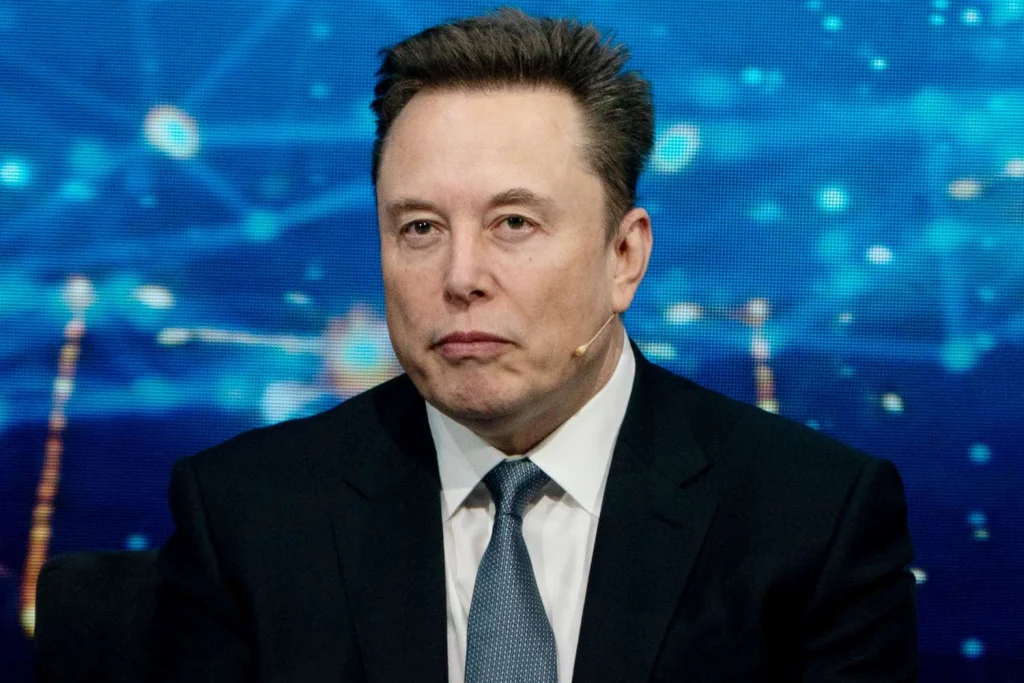
    Space wealth has entered a new era after SpaceX’s historic Nasdaq debut pushed Elon Musk’s estimated fortune above $1 trillion, making him the world’s first publicly recognised trillionaire.

    The rocket and satellite company priced its shares at $135 before opening around $150, with strong investor demand lifting its valuation above $2 trillion during trading. The IPO raised about $75 billion, making it one of the largest public listings ever recorded.

    For Musk, the listing transformed one of his biggest private holdings into a public-market asset with a live valuation. That shift pushed his estimated net worth to about $1.1 trillion, according to Forbes.

    But this story is bigger than one entrepreneur.

    SpaceX’s public debut shows how investors are now pricing the space economy. Rockets, satellite internet, national security systems, artificial intelligence infrastructure and long-term orbital services are being treated as serious financial markets, not distant futuristic ideas.

    The first trillionaire milestone therefore marks a turning point in both wealth creation and global capital markets.

    Quick Facts About the Space Wealth Milestone

    CategoryDetail
    PersonElon Musk
    MilestoneFirst publicly recognised trillionaire
    Main triggerSpaceX IPO
    ExchangeNasdaq
    IPO price$135 per share
    Opening priceAround $150 per share
    Capital raisedAbout $75 billion
    SpaceX valuationAbove $2 trillion during trading
    Forbes estimateAbout $1.1 trillion
    Key business driversRockets, Starlink, satellites and future infrastructure

    Why the SpaceX IPO Changed Global Wealth

    The SpaceX IPO changed global wealth because it gave public markets a clear price for one of Musk’s most valuable companies.

    Before the listing, SpaceX was already one of the world’s most valuable private businesses. However, private valuations are based on funding rounds, investor estimates and limited transactions.

    Public trading changed the calculation.

    Once SpaceX shares began trading, investors created a visible market value for the company. Because Musk owns a large stake, that valuation immediately lifted his estimated fortune.

    This is how modern founder wealth works.

    The money is not mostly cash. It is tied to shares, options and company stakes. If SpaceX or Tesla shares fall, Musk’s wealth can decline quickly. If they rise, his fortune can climb further.

    Still, the trillion-dollar milestone is historic because it shows how much value markets can place on founder-led technology companies.

    SpaceX Is Now a Financial Giant

    SpaceX is no longer only a private rocket company admired for engineering ambition.

    It is now a public-market giant.

    The company’s valuation places it among the most valuable businesses in the world, giving public investors direct exposure to rockets, satellites, broadband networks and future space systems.

    That changes the company’s role.

    As a private company, SpaceX could focus on long-term projects with less public pressure. As a listed company, it must now answer to shareholders, analysts and regulators.

    Investors will expect clearer information about revenue, costs, profitability, Starlink growth, launch activity and capital spending.

    The IPO gave SpaceX enormous market power. It also brought a new level of accountability.

    Why Investors Are Betting on Space

    Investors are betting on SpaceX because they see space as future infrastructure.

    The company is not being valued only for rocket launches. It is being valued for a wider business model that includes reusable launch systems, satellite broadband, government contracts and long-term space services.

    This gives SpaceX several growth stories at once.

    Its rockets support launch demand. Starlink gives it a global internet business. Government work gives it strategic importance. Future orbital systems give it long-term market potential.

    That mix makes SpaceX different from a traditional aerospace company.

    It is being treated more like a technology infrastructure platform.

    Starlink Is the Commercial Engine

    Starlink is central to the SpaceX investment case.

    Rockets made SpaceX famous, but satellite broadband gives the company a recurring-revenue business with global reach. That is important because public markets often reward companies that can generate regular customer payments.

    Starlink can serve homes, businesses, aircraft, ships, remote areas and government users.

    SpaceX also has a structural advantage because it can build satellites, launch them with its own rockets and operate the network directly. That control could help the company expand faster and manage costs better than rivals.

    If Starlink continues growing, it may support a large part of SpaceX’s valuation.

    If growth slows, investors may question whether the market has priced SpaceX too aggressively.

    Why the Valuation Is Under Pressure

    A valuation above $2 trillion is impressive, but it is also demanding.

    At that level, SpaceX must deliver exceptional long-term growth. Investors will expect the company to expand Starlink, maintain launch leadership, win major contracts and show a path to stronger profitability.

    That will not be easy.

    Rockets are expensive. Satellites need constant investment. Space projects face technical risks. Regulatory approvals can take time. Competition from governments and private companies may increase.

    The IPO proves that investors believe in SpaceX.

    The next challenge is proving that the business can justify the price.

    Musk’s Leadership Remains the Biggest Factor

    Elon Musk is central to SpaceX’s value story.

    Supporters see him as the founder who helped transform electric vehicles through Tesla, changed rocket launches through SpaceX and expanded satellite broadband through Starlink.

    That record gives investors confidence.

    However, Musk also brings risk.

    He is involved in several major ventures, including SpaceX, Tesla, X, xAI and Neuralink. Investors may question whether one person can manage so many demanding companies at once.

    Now that SpaceX is public, the market will watch his leadership even more closely.

    Musk’s vision helped create the trillionaire milestone. His execution will help determine whether SpaceX keeps its valuation.

    What This Means for Tesla

    Tesla remains a major part of Musk’s fortune, but SpaceX’s public debut changes the balance of his empire.

    For years, Tesla was the main public company linked to Musk’s wealth. Investors who wanted exposure to his business vision largely focused on Tesla.

    Now SpaceX gives the market another route.

    Tesla is tied to electric vehicles, batteries, energy storage, autonomy and robotics. SpaceX is tied to rockets, satellites, communications and future space infrastructure.

    Both companies have huge ambitions. Both also carry huge expectations.

    That makes Musk’s public-market story bigger, but more complicated.

    Why This Could Reshape the IPO Market

    The SpaceX IPO could reshape the market for major technology listings.

    Many large private companies have delayed going public in recent years because they could raise money privately. SpaceX has shown that public investors will still support a huge offering when the company has a powerful brand, a strong founder and a future-facing business model.

    This could encourage other companies in artificial intelligence, robotics, defence technology, satellite systems and advanced computing to consider public listings.

    However, SpaceX’s long-term performance will decide whether this IPO becomes a model or a warning.

    If the stock performs well, more mega-IPOs may follow. If it struggles, investors may become more cautious.

    The Inequality Debate Will Grow

    Musk becoming the first trillionaire will intensify debate about wealth concentration.

    Supporters will argue that his fortune reflects innovation, risk-taking and the creation of companies that changed major industries.

    Critics will argue that a personal fortune above $1 trillion shows extreme concentration of economic power.

    The debate is sharper because SpaceX operates in strategic sectors. Satellite communications, launch access and space infrastructure affect internet connectivity, defence, science and global systems.

    That makes Musk’s wealth more than a private financial story.

    It is also part of a wider discussion about who controls the infrastructure of the future.

    Why the First Trillionaire Came From Space Wealth

    The first publicly recognised trillionaire did not emerge from oil, banking, retail or real estate.

    He emerged from future technology.

    Tesla helped define electric vehicles and automation. SpaceX is helping define commercial space, satellite broadband and orbital infrastructure. Starlink turns space systems into a global communications business.

    This reflects a major shift in wealth creation.

    The largest fortunes are increasingly built around networks, platforms and infrastructure that investors believe will shape the future economy.

    Musk’s milestone shows that space wealth is now part of mainstream finance.

    What Investors Should Watch Next

    Investors should now look beyond the headline.

    The most important questions are practical.

    Can Starlink keep growing? Can SpaceX maintain launch leadership? Can the company improve profitability? Can it manage capital spending? Can it meet public-market reporting expectations?

    Investors should also watch whether SpaceX can balance long-term ambition with shareholder pressure.

    The IPO created history, but execution will decide what happens next.

    SpaceX has lifted off in public markets. Now it must prove it can stay in orbit.

    Key Takeaways

    • Elon Musk has become the first publicly recognised trillionaire.
    • SpaceX’s IPO pushed his estimated wealth above $1 trillion.
    • SpaceX priced its IPO at $135 per share.
    • The stock opened around $150 per share.
    • The listing raised about $75 billion.
    • SpaceX traded above a $2 trillion valuation.
    • Forbes estimated Musk’s fortune at about $1.1 trillion.
    • Musk’s wealth is mostly tied to shares and options, not cash.
    • Starlink is central to SpaceX’s long-term growth story.
    • SpaceX is being valued as future infrastructure, not only as a rocket company.
    • The IPO gives SpaceX capital but also greater scrutiny.
    • The milestone raises questions about innovation, inequality and market power.

    Frequently Asked Questions

    What does space wealth mean?

    Space wealth refers to fortunes and market value created by companies involved in rockets, satellites, space infrastructure and related technology businesses.

    Why did Elon Musk become a trillionaire?

    Elon Musk became a trillionaire because SpaceX’s IPO lifted the value of his ownership stake and pushed his estimated net worth above $1 trillion.

    What was the SpaceX IPO price?

    SpaceX priced its IPO at $135 per share.

    What did SpaceX shares open at?

    SpaceX shares opened around $150 per share.

    How much did SpaceX raise?

    SpaceX raised about $75 billion through the IPO.

    What was SpaceX valued at?

    SpaceX traded above a $2 trillion valuation during its market debut.

    Is Musk’s $1 trillion fortune cash?

    No. Most of Musk’s wealth is tied to shares, stock options and company stakes.

    Why is Starlink important to SpaceX?

    Starlink is important because it gives SpaceX a recurring satellite internet business with global growth potential.

    Can Musk lose trillionaire status?

    Yes. If SpaceX, Tesla or other holdings decline in value, Musk’s estimated fortune could fall below $1 trillion.

    Why does this story matter?

    It matters because it marks the first publicly recognised trillionaire and shows how markets are valuing future technology infrastructure.

    Conclusion

    Space wealth has moved from imagination to global finance.

    SpaceX’s record Nasdaq debut pushed Elon Musk above $1 trillion, making him the world’s first publicly recognised trillionaire and placing the space economy at the centre of market attention.

    The milestone reflects investor confidence in rockets, Starlink, satellites and future infrastructure. It also shows how founder ownership can create extraordinary paper wealth when markets believe in long-term technology platforms.

    But the next chapter will be harder.

    SpaceX must justify its valuation. Musk must manage greater scrutiny. Investors must decide whether the promise of space infrastructure can deliver lasting returns.

    The first trillionaire has arrived, and SpaceX has made space wealth one of the defining business stories of the modern era.

  • Ferrari Luce EV Sparks Luxury Car Debate

    Ferrari Luce EV Sparks Luxury Car Debate

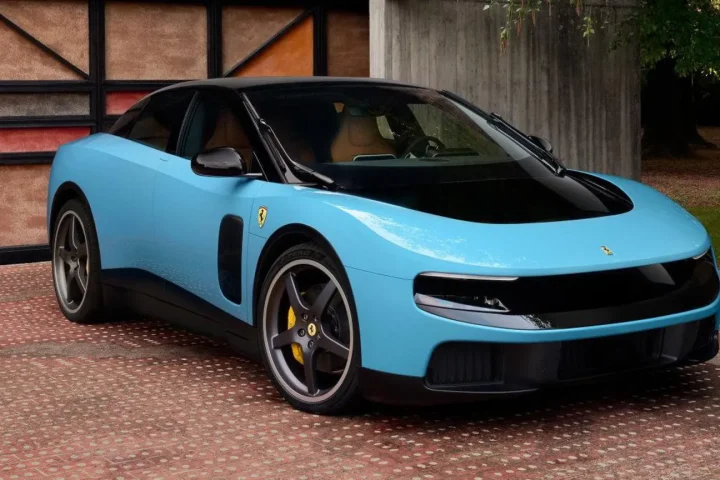
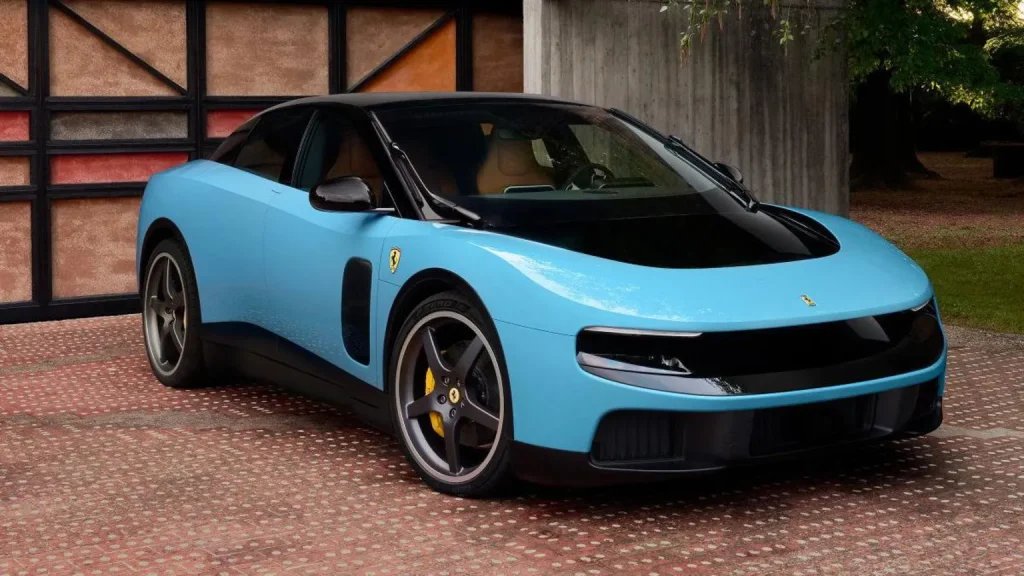
    Ferrari Luce has triggered fierce debate across the automotive world after Ferrari unveiled its first fully electric vehicle priced at $640,000 (£474,320).

    The Italian luxury carmaker revealed the new EV during a launch event in Rome, marking a major shift for one of the world’s most iconic performance brands.

    Ferrari developed the Luce over five years and partnered with LoveFrom, the design agency founded by former Apple design chief Sir Jony Ive.

    The new model breaks away from Ferrari’s traditional styling. It also becomes the company’s first-ever five-seater vehicle.

    Social media reactions quickly turned divided after images of the car appeared online.

    Some users praised the futuristic design and innovation. Others criticised Ferrari for abandoning its classic identity.

    One post on X described the car as “straight to the junkyard trash,” while another called it “an absolute masterclass in design.”

    Read Also

    Oil Prices Surge Ahead of Trump Iran Deadline
    Hormuz Strait Deals Ease Tensions Amid Trump Threat

    Ferrari Luce Signals Major Brand Shift

    Ferrari previously resisted producing a fully electric vehicle and instead focused on hybrid technology that combines petrol engines with electric power.

    The launch of the Ferrari Luce now signals a major strategic change for the company.

    Ferrari chief executive Benedetto Vigna said engineers spent years refining the car before bringing it to market.

    The Luce uses four Ferrari-built electric motors, with one motor powering each wheel.

    According to Ferrari, the setup allows the vehicle to accelerate from zero to 60mph in roughly 2.5 seconds.

    The company also stressed that it manufactures all major components in-house.

    Executives said this approach will allow Ferrari to repair and maintain the car long into the future while protecting resale values.

    Ferrari believes exclusivity and long-term servicing remain essential for luxury customers investing heavily in high-end vehicles.

    Ferrari Luce Design Divides Car Enthusiasts

    The Ferrari Luce introduces a radically different design language compared to traditional Ferrari sports cars.

    Its shape departs from the low two-seat structure typically associated with the brand. The interior also features a large curved touchscreen and cream leather finishes.

    Critics quickly compared the launch to Jaguar’s controversial electric concept car, which also faced backlash for abandoning familiar styling cues.

    “What is going on with European luxury car manufacturers? First Jaguar and now Ferrari,” one social media user wrote.

    However, many automotive enthusiasts defended Ferrari’s bold move into electric mobility.

    “Absolute masterclass in design. Ferrari just unveiled the breathtaking LUCE concept, and it is a total game changer,” another user posted online.

    Ferrari chief design officer Flavio Manzoni acknowledged that the design has become “polarising.”

    Speaking during an interview with YouTuber Cleo Abram, Manzoni argued that criticism often accompanies major innovation.

    He said public opinion could change over time as consumers become more familiar with the vehicle.

    Read Also

    US Gas Prices Hit $4 Amid Iran War
    Global Market Analysis

    Luxury EV Market Faces Growing Pressure

    The Ferrari Luce arrives during a difficult period for luxury electric vehicles.

    Several major carmakers have recently slowed or reversed their EV expansion plans because of weaker demand and rising competition.

    Lamborghini abandoned plans to launch a fully electric model and shifted focus toward hybrid vehicles instead.

    Germany’s Porsche has also scaled back EV ambitions due to slowing sales in China and rising tariffs in the United States.

    Western carmakers continue facing intense pressure from Chinese brands, which produce electric vehicles faster and at lower costs.

    Meanwhile, policy changes under US President Donald Trump have weakened EV momentum in America.

    Automakers including Ford and Volkswagen have increased investment in petrol-powered vehicles after Trump reduced incentives for electric car buyers.

    Industry analysts say the global EV market now faces a more uncertain future than many companies expected several years ago.

    Ferrari Keeps Petrol and Hybrid Models

    Despite unveiling the Ferrari Luce, the company confirmed it will continue producing petrol and hybrid vehicles alongside its electric lineup.

    Ferrari’s strategy differs from some competitors that attempted rapid transitions toward all-electric fleets.

    The luxury brand continues to rely on exclusivity and strong profit margins rather than mass production volumes.

    That strategy has helped Ferrari remain Europe’s most valuable carmaker despite broader challenges across the automotive sector.

    Even so, Ferrari shares have fallen more than 25 percent during the past year.

    The decline reflects wider weakness across global luxury markets as inflation pressures reduce spending on high-end goods.

    Analysts say Ferrari’s success with the Luce will likely depend on whether wealthy buyers embrace electric performance vehicles without sacrificing the prestige traditionally linked to Ferrari’s petrol-powered engines.

    The coming months may determine whether Ferrari has successfully reinvented itself for the electric era or intensified concerns surrounding the future of luxury EVs.

    Read Also

    Korean Air Emergency Mode Amid Fuel Price Surge
    Nvidia DLSS 5 Backlash Over AI Game Graphics
    Oil Supply Shock Drives Global Fuel Prices Higher

  • Climate Diplomacy Positions Afghanistan in Eurasia

    Climate Diplomacy Positions Afghanistan in Eurasia

    Afghanistan is quietly rewriting its re-entry script on the global stage, turning to environmental diplomacy as a strategic bridge between isolation and engagement – an approach detailed in the WorldAffairs Exclusive Interview conducted by WorldAffairs Editor-in-ChiefDr. M Shahid Siddiqui and reinforced in the WorldAffairs Report. This recalibration is unfolding against one of Eurasia’s most consequential structural pressures: intensifying water stress across Central Asia, now widely recognized as a driver of both economic vulnerability and geopolitical friction.

    In the conversation with WorldAffairs on the sidelines of Astana, Matiul Haq Khalis, head of Afghanistan’s National Environmental Protection Agency, outlined a deliberate pivot. Climate and environmental cooperation are no longer peripheral, they are being deployed as primary instruments of foreign engagement. By framing ecological stress as a shared regional risk, Kabul is attempting to reopen diplomatic pathways that remain constrained in conventional political arenas.

    This shift comes amid a broader Eurasian realignment. The post-withdrawal environment has pushed Afghanistan to operate within a fragmented order shaped by competing influences from China’s expanding infrastructure footprint to Russia’s enduring regional security role. Rather than embedding itself within these rival axes, Afghanistan is prioritizing functional cooperation in transboundary domains, water systems, climate resilience, and environmental management, where coordination is driven by necessity rather than alignment.

    EXCLUSIVE INTERVIEW WAS DONE BY WORLDAFFAIRS IN ASTANA, KAZAKHSTAN

    At the center of this strategy lies geography. Afghanistan’s position within key hydrological systems, particularly the Amu Darya Basin, places it at the heart of a rapidly evolving regional equation. Across Central Asia, water scarcity is intensifying due to glacial retreat in the Pamir and Tien Shan ranges, rising temperatures, and inefficient irrigation inherited from Soviet-era systems. For downstream economies such as Uzbekistan and Turkmenistan heavily dependent on consistent river flows for agriculture, and upstream states like Kyrgyzstan and Tajikistan, water is now a strategic variable shaping policy choices and regional stability. The WorldAffairs Report underscores that demand is projected to rise even as supply becomes increasingly volatile.

    Afghanistan’s transition from a passive contributor to an active upstream stakeholder introduces a new dynamic into this fragile balance. As emphasized in the WorldAffairs Exclusive Interview, Kabul now views its geography as leverage, an opportunity to embed itself within regional frameworks through necessity rather than negotiation. In a basin that still lacks a fully inclusive, legally binding governance architecture, Afghanistan’s participation becomes increasingly indispensable.

    The economic dimension of this strategy is equally aligned with broader Eurasian trends. Khalis highlighted sectors such as sustainable agriculture, wastewater treatment, air quality management, and ecosystem restoration as priority areas for collaboration. Renewable energy particularly solar positions Afghanistan within the global energy transition, at a time when Eurasian connectivity initiatives are gradually integrating sustainability metrics. Corridors linking Central Asia to Europe via the Caspian often referred to as the Middle Corridor are increasingly tied to climate-resilient infrastructure, further elevating the strategic relevance of environmental cooperation.

    Early signals of engagement from countries including India, Turkey, Kazakhstan, Azerbaijan, and Russia indicate cautious but tangible interest. Environmental cooperation is emerging as a politically neutral entry point allowing interaction without immediate exposure to deeper geopolitical contestation. This reflects a wider Eurasian shift toward issue-based engagement, where shared challenges create space for selective collaboration even among competing actors.

    For external stakeholders such as the European Union, this convergence is particularly significant. As noted in the WorldAffairs Report, European strategy toward Central Asia increasingly frames water security and climate resilience as integral to regional stability, supply chain security, and migration management. Initiatives under the EU’s connectivity and sustainability frameworks are channeling investments into water governance, renewable energy, and infrastructure modernization areas where Afghanistan’s emerging priorities intersect directly.

    This recalibration is supported by diplomatic continuity. Engagements led by Foreign Minister Amir Khan Muttaqi suggest that environmental diplomacy is embedded within a broader framework aimed at rebuilding Afghanistan’s external partnerships. The WorldAffairs Exclusive Interview indicates a coordinated effort to align ecological necessity with economic outreach, positioning Afghanistan not as an isolated actor but as a functional participant in regional systems.

    Yet, structural constraints persist. The WorldAffairs Report highlights a continuing perception gap, where investor confidence remains shaped by concerns over regulatory clarity, financial integration, and governance standards. While Afghan authorities emphasize improvements in security and administrative coordination, international capital flows remain limited. At the same time, the absence of inclusive legal frameworks governing transboundary water systems particularly those incorporating Afghanistan continues to restrict the scalability of regional cooperation.

    Bridging these gaps will determine whether Afghanistan’s environmental diplomacy evolves beyond signaling. Without institutional trust and predictable regulatory mechanisms, engagement risks remaining incremental. However, the broader Eurasian context suggests that environmental pressures, especially water scarcity may increasingly compel cooperation regardless of political hesitation.

    What emerges from the WorldAffairs Exclusive Interview led by Dr. M Shahid Siddiqui is a country experimenting with a pragmatic geopolitical model. Instead of seeking reintegration through traditional power politics, Afghanistan is leveraging shared environmental constraints as common ground transforming climate vulnerability into a platform for engagement.

    The implications extend well beyond Afghanistan. Central Asia and the wider Eurasian space are entering a phase where water, climate, and resource management are becoming primary drivers of geopolitical behavior. If managed cooperatively, these pressures could foster new frameworks of regional integration. If not, they risk intensifying competition over diminishing resources, deepening fragmentation across a strategically vital region.

    Afghanistan’s green strategy sits at the center of this transition. It reflects both necessity and adaptation, an attempt to navigate a fragmented order by anchoring itself within the one domain where cooperation is no longer optional, but inevitable.

    -Gergely Trujillo and James Kerry

    —————————————————————————————–
    A rare, first-ever interview with an Afghan voice, offering a clear lens into Afghanistan’s place in a rapidly reshaped global order. Read WorldAffairs before it becomes impossible to ignore.

    Also available worldwide via Amazon, Kindle, Magzter, Flipcart and in your neighborhood at premium bookstores. Find the links below of online retailers;

    Magzter: https://www.magzter.com/IN/WorldAffairs/WorldAffairs-News-Views–Analysis/News/ 

    Kindle: https://www.amazon.in/WORLDAFFAIRS-GEOPOLITICS-ECONOMY-Strategy-MAGAZINE-ebook/dp/B0GX35TH9T/ref=tmm_kin_swatch_0

    Amazon: https://www.amazon.in/WORLDAFFAIRS-GEOPOLITICS-ECONOMY-Strategy-MAGAZINE/dp/B0GXCVHL6F/ref=tmm_pap_swatch_0

    Flipcart: https://www.flipkart.com/product/p/itme?pid=MAZHNYK7EBGMVYEH

  • Oil Prices Surge Ahead of Trump Iran Deadline

    Oil Prices Surge Ahead of Trump Iran Deadline

    Global markets saw oil prices rise as tensions escalated ahead of a deadline set by Donald Trump for Iran to reopen the Strait of Hormuz. Investors reacted quickly, pushing benchmark prices higher amid uncertainty.

    Early Tuesday trading saw Brent crude climb above $111 per barrel before easing slightly to $109. Even so, the oil prices rise reflects growing concern that negotiations may fail and prolong disruptions.

    Oil prices rise amid Trump Iran deadline pressure

    The latest oil prices rise comes as Washington intensifies pressure on Tehran. Trump warned that the United States could take decisive action if Iran does not agree to reopen the key shipping route.

    Speaking at the White House, he said negotiations were ongoing in good faith. However, he admitted the outcome remains uncertain. Iran has rejected proposals for a temporary ceasefire, instead demanding a permanent end to hostilities and sanctions relief.

    This firm stance has complicated diplomatic efforts. Consequently, markets now expect a longer conflict, which continues to support the upward trend.

    Strait disruptions drive global market volatility

    The Strait of Hormuz plays a vital role in global energy supply. Around 20% of the world’s oil and gas shipments pass through the narrow waterway.

    Since late February, shipping has faced major disruptions after Iran threatened to target vessels. These actions followed US and Israeli airstrikes, which triggered retaliation from Tehran.

    As a result, supply concerns have intensified. Analysts say the current price movement reflects fears that shipments could remain constrained for an extended period.

    Read Also

    US Gas Prices Hit $4 Amid Iran War

    Energy analyst Ye Lin from Rystad Energy noted that investors now believe reaching a deal may be more difficult than expected. Therefore, markets are pricing in the risk of prolonged instability.

    Market uncertainty shapes oil prices rise outlook

    Traders are also questioning Washington’s strategy. Some believe the US may be preparing for further escalation rather than a diplomatic breakthrough.

    Tineke Frikkee, senior fund manager at W1M, said even if an agreement is reached, recovery will take time. Oil shipments may resume gradually, but delays are inevitable.

    Read Also

    Korean Air Emergency Mode Amid Fuel Price Surge

    She added that infrastructure challenges could delay liquefied natural gas supply by several months. Therefore, elevated prices may persist even after tensions ease.

    Asia seeks solutions as prices continue rising

    Asian economies have been particularly affected by the crisis. Countries such as Japan and South Korea rely heavily on Middle Eastern energy supplies.

    In response, several nations have negotiated access with Iran to secure shipping routes. These efforts highlight how rising prices are forcing governments to act quickly.

    Read Also

    Nvidia DLSS 5 Backlash Over AI Game Graphics

    However, these arrangements come with added costs. Insurance premiums for vessels have risen sharply, increasing the overall price of shipments.

    Insurance and supply risks remain elevated

    Shipping firms now face higher operational risks. While some vessels can pass through the strait, the financial burden has increased significantly.

    Frikkee explained that access may depend on the highest bidder. This dynamic could further distort global supply chains and maintain upward pressure on markets.

    Read Also

    Trump China Visit Delay Amid Iran War Escalation

    Meanwhile, major financial institutions are warning of broader economic consequences. JPMorgan CEO Jamie Dimon said the conflict could push inflation higher and lead to rising global interest rates.

    Global response grows as tensions impact markets

    Governments are now coordinating efforts to stabilize the situation. The United Kingdom is set to host a meeting of allied military planners to discuss securing the Strait of Hormuz after the conflict.

    Read Also

    Sri Lanka Fuel Crisis Triggers Weekly Holiday

    Despite these efforts, uncertainty remains high. While some ships continue to pass through the strait, volumes remain far below normal levels.

    Future outlook for oil prices rise remains uncertain

    Trump has also urged other countries to deploy naval forces to ensure safe passage. However, it is unclear whether such measures will stabilize the region.

    Read Also

    Oil Prices Drop After Trump Signals Iran War May End

    For now, the oil prices rise highlights the fragile balance between diplomacy and conflict. Markets will remain sensitive to any developments as the deadline approaches.

  • Hormuz Strait Deals Ease Tensions Amid Trump Threat

    Hormuz Strait Deals Ease Tensions Amid Trump Threat

    Global markets reacted sharply as Hormuz Strait deals emerged between Iran and several countries seeking safe passage through the critical shipping route. The agreements came just as Donald Trump warned he could take decisive military action if Tehran failed to reopen the strait within hours.

    The situation has intensified tensions across global energy markets. However, these Hormuz Strait deals now signal a shift toward diplomacy, even as threats of escalation continue.

    Hormuz Strait deals reshape global shipping routes

    The narrow Strait of Hormuz remains one of the most strategic waterways in the world. Nearly a fifth of global energy shipments passes through it. As a result, any disruption creates immediate ripple effects across economies.

    Following recent military strikes involving the United States and Israel, Iran warned it could target vessels using the route. Consequently, oil prices surged, and shipping firms began reassessing risks.

    In response, several countries moved quickly to secure Hormuz Strait deals. These agreements allow certain vessels to pass safely despite the tensions.

    Asian nations lead Hormuz Strait deals diplomacy

    Asian economies depend heavily on Gulf energy supplies. Therefore, they have taken the lead in negotiating access with Tehran.

    The Philippines recently secured assurances for its vessels. Foreign Affairs Secretary Theresa Lazaro confirmed that Iranian authorities promised safe and uninterrupted passage.

    The agreement followed direct diplomatic engagement. Importantly, it came as the Philippines faced an energy emergency due to soaring fuel costs.

    Read Also

    US Gas Prices Hit $4 Amid Iran War

    Pakistan and India also secured similar assurances. Pakistani Foreign Minister Ishaq Dar described Iran’s move as constructive and emphasized diplomacy as the best path forward.

    Read Also

    Korean Air Emergency Mode Amid Fuel Price Surge

    Meanwhile, India’s External Affairs Minister Subrahmanyam Jaishankar credited sustained diplomatic efforts for ensuring safe passage of Indian tankers.

    China, the largest buyer of Iranian oil, confirmed that several of its ships had already passed through the strait. This highlights how Hormuz Strait deals are reshaping global trade flows.

    Read Also

    Nvidia DLSS 5 Backlash Over AI Game Graphics

    Uncertainty surrounds Hormuz Strait deals scope

    Despite these developments, many questions remain. Analysts still do not know whether these Hormuz Strait deals apply broadly or only to specific vessels.

    Shipping expert Dimitris Maniatis from Marisks noted that the scope remains unclear. For instance, it is uncertain whether guarantees cover all ships under a national flag or only selected vessels.

    Energy economist Roc Shi from the University of Technology Sydney added that countries now recognize the need to engage Iran directly. Without such engagement, energy shipments could remain stalled.

    Read Also

    Trump China Visit Delay Amid Iran War Escalation

    Energy markets react as risks remain high

    Oil prices remain volatile due to uncertainty in the region. Even with Hormuz deals in place, traders continue to factor in the risk of disruption.

    Malaysia also confirmed that some of its tankers received clearance from Iran. Prime Minister Anwar Ibrahim acknowledged Tehran’s role in facilitating safe passage.

    Read Also

    Sri Lanka Fuel Crisis Triggers Weekly Holiday

    However, officials have not clarified whether all Malaysian vessels will receive the same treatment. This uncertainty continues to influence global energy pricing.

    Future of Hormuz Strait deals remains uncertain

    While Hormuz Strait deals mark a diplomatic breakthrough, their durability remains in question. Military operations in the region could quickly undermine these arrangements.

    Additionally, some countries may attempt to reflag ships under nations with existing agreements. This could create new complexities in global shipping regulations.

    Read Also

    Oil Prices Drop After Trump Signals Iran War May End

    For now, the agreements offer a fragile balance. They allow energy flows to continue while diplomacy attempts to keep tensions from escalating further.

  • US Gas Prices Hit $4 Amid Iran War

    US Gas Prices Hit $4 Amid Iran War

    US gas prices have climbed above $4 per gallon for the first time in nearly four years, highlighting the growing economic strain caused by the ongoing Iran war. The national average now stands at $4.02, according to the AAA motoring organisation, marking a sharp increase since the conflict began.

    The surge in US gas prices reflects a broader disruption in global energy markets. As oil supply routes face constraints and demand remains strong, fuel costs continue to rise. Consequently, households and businesses across the United States are beginning to feel the pressure.

    US gas prices surge as oil supply tightens

    US gas prices have risen by more than a dollar since late February, when the conflict escalated. At that time, gasoline averaged around $2.98 per gallon. Diesel prices have also jumped significantly, climbing to approximately $5.45.

    A key factor behind the increase is the effective closure of the Strait of Hormuz. This critical shipping route handles a significant share of global oil supply. However, disruptions in the region have slowed or halted energy transportation.

    As a result, crude oil prices have surged. Brent crude is now trading near $120 per barrel, while US benchmark West Texas Intermediate has exceeded $100. These increases directly impact fuel costs at the pump.

    Economic risks rise with higher US gas prices

    Although the current spike remains below the record highs seen in 2022, analysts warn that the impact may be more severe this time. Consumers are in a weaker financial position compared to previous years.

    According to economists, rising US gas prices could lead to reduced household spending. As fuel costs increase, families may cut back on discretionary purchases, which could slow economic growth.

    Moody’s analysts have cautioned that the duration of the conflict will play a crucial role. If the crisis continues, precautionary saving could rise, further dampening consumer demand.

    Additionally, higher diesel prices are likely to increase transportation costs. This trend could push food prices higher, adding to inflationary pressures.

    Read Also

    Nvidia DLSS 5 Backlash Over AI Game Graphics
    Trump China Visit Delay Amid Iran War Escalation
    Sri Lanka Fuel Crisis Triggers Weekly Holiday
    Oil Prices Drop After Trump Signals Iran War May End

    Global oil surge drives fuel costs higher

    The increase in US gas prices aligns with a global trend. Oil prices are on track for their largest one-month rise on record, driven by supply disruptions and geopolitical tensions.

    If crude oil reaches $140 per barrel for an extended period, economists warn that a recession could follow. The longer the conflict persists, the greater the risk to economic stability.

    Higher wholesale energy costs typically appear first at fuel stations. Therefore, rising prices in the US mirror similar trends worldwide.

    In the United Kingdom, petrol prices have risen by 14 percent, while diesel has increased by 27 percent since the conflict began. These changes highlight the widespread impact of the crisis.

    Government response and policy measures

    US President Donald Trump has downplayed the surge, describing it as a temporary disruption. During his 2024 campaign, he emphasized lowering fuel prices as a key economic priority.

    Despite these assurances, policymakers are monitoring the situation closely. Rising fuel costs can quickly affect inflation and consumer confidence.

    In other countries, governments have introduced measures to ease the burden. For example, Australia has reduced fuel taxes temporarily, while some regions offer free public transport to reduce reliance on private vehicles.

    Meanwhile, countries facing more severe shortages have taken stronger steps. Fuel rationing has already been introduced in several economies, reflecting the seriousness of the crisis.

    Seasonal demand adds pressure on US gas prices

    Beyond supply disruptions, seasonal factors have also contributed to rising US gas prices. Increased travel during the spring break period has boosted demand for fuel.

    As demand rises, prices tend to increase further, especially when supply remains constrained. This combination has accelerated the pace of price increases at the pump.

    Although current prices remain below the all-time highs recorded in June 2022, the economic context differs. At that time, many households had savings built up during the pandemic.

    Today, wage growth has slowed, and financial buffers are weaker. Therefore, the same price levels may have a greater impact on consumer behavior.

    Outlook remains uncertain as war continues

    The future path of US gas prices depends largely on developments in the Middle East. If the conflict eases, oil supply could stabilize, leading to lower prices.

    However, a prolonged disruption may keep fuel costs elevated. In that scenario, both households and businesses would face sustained financial pressure.

    Economists emphasize that uncertainty remains high. While short-term fluctuations are expected, long-term trends will depend on geopolitical outcomes and energy market dynamics.

    Read Also

    Oil Supply Shock Drives Global Fuel Prices Higher
    Bangladesh Tariff Deal Boosts Textile Access to US Market