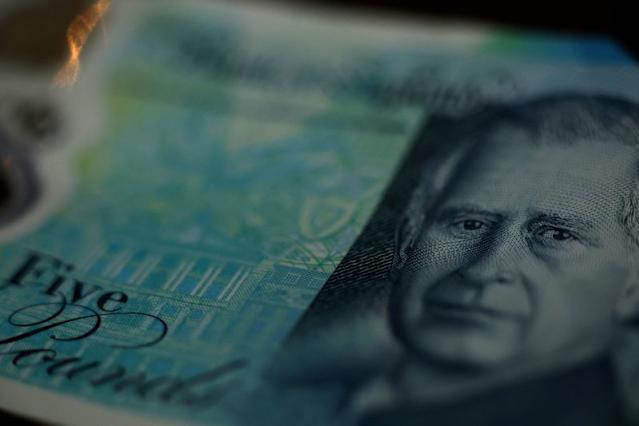
The pound tumbles after inflation falls by more than expected, with financial markets reacting to the latest data. The Office for National Statistics (ONS) reported that inflation dropped to 3.2% in November, which was a larger decrease than analysts had predicted. This unexpected fall in inflation has fueled growing speculation that the Bank of England may reduce interest rates sooner than previously anticipated.
As inflation eased, the pound fell by 0.6% against the US dollar, dropping to just above $1.33. Speculation is now growing that the Bank of England will make a rate cut at tomorrow’s decision, with traders becoming more confident that further rate cuts could follow in 2026.
Why the Pound Tumbles After Inflation Falls: Impacts on Borrowing Costs
The pound tumbles after inflation falls, which has sparked a shift in market sentiment. For months, inflation had remained stubbornly high. However, the new data suggests that price increases are slowing. As a result, traders are now betting that the Bank of England will reduce interest rates. A cut in rates would significantly lower borrowing costs and ease the financial pressure on UK households.
The Bank of England is likely to welcome the latest inflation figures. Both services inflation and core inflation, which strips out volatile items like food and energy, fell more than expected. This supports the argument for lower interest rates, which would help reduce the burden of servicing UK government debt and stimulate economic growth.
What Will the Bank of England Do Next?
The unexpected drop in inflation has made a rate cut by the Bank of England almost certain. The pound tumbles after inflation falls, leading analysts to predict that the Bank will lower the base rate from 4% to 3.75%. The market now expects this cut to occur sooner than anticipated, possibly as soon as tomorrow.
With inflationary pressures easing, the Bank of England has less reason to maintain high interest rates. This will ease the cost of servicing government debt and provide some relief to mortgage holders, who have faced high borrowing costs in recent months. Financial experts believe that the rate cut could come as early as tomorrow, and it would be a welcome break for borrowers and households alike.
Rejoining the Economic Stability: What the Drop in Inflation Means
The pound tumbles after inflation falls, but this could be a positive signal for the UK economy. Lower inflation could lead to reduced living costs for consumers, and the prospect of a rate cut could help boost business confidence. Moreover, falling inflation may contribute to a more stable economic environment, especially in the housing market, which has struggled due to high mortgage rates.
The latest inflation data also sparked early gains on the FTSE 100. Investors are hopeful that the reduction in inflation could mark the start of a more stable period. This is especially good news for housebuilders, who have faced years of reduced demand due to the high cost of borrowing.