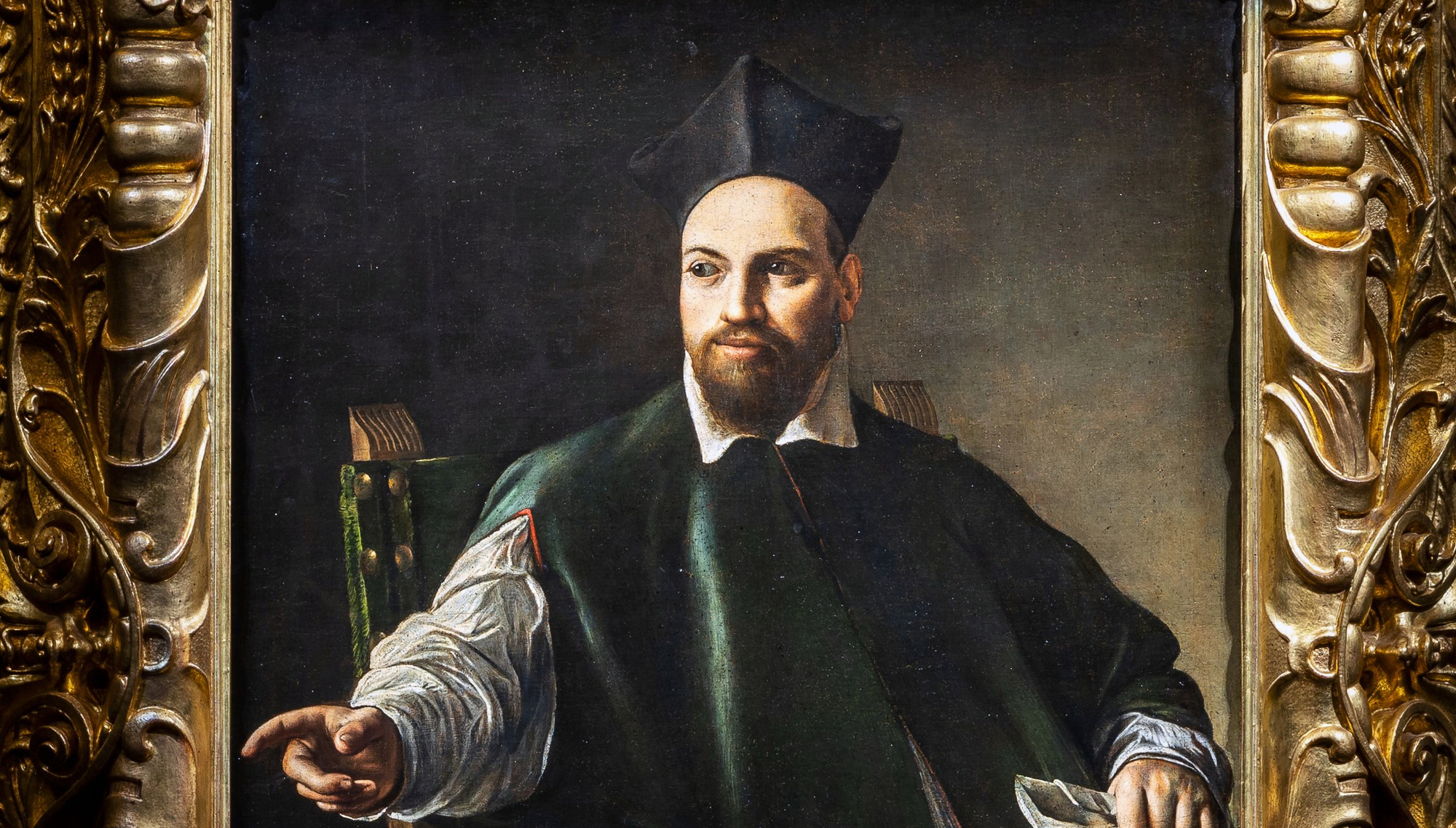
Caravaggio painting acquisition by Italy marks one of the country’s most significant recent investments in cultural heritage. The Italian government has purchased a rare artwork by the Baroque master for €30 million in an effort to preserve a valuable piece of national history.
The painting portrays Monsignor Maffeo Barberini as a young cleric before he later became Pope Urban VIII. Authorities say the purchase will strengthen Italy’s public art collections and allow scholars greater access to an important historical masterpiece.
Officials confirmed the painting will now become part of the permanent collection at Rome’s Palazzo Barberini museum.
Caravaggio painting depicts future Pope Urban VIII
Caravaggio painting known as the Portrait of Monsignor Maffeo Barberini dates back to around 1598. The artwork shows Barberini in his early thirties wearing the attire of a cleric of the Apostolic Chamber.
At the time, Barberini was beginning his rise within the Catholic Church hierarchy. He later became Pope Urban VIII in 1623 and ruled during a major period of Baroque cultural development.
Urban VIII became known for his patronage of art and architecture. His leadership supported many artistic projects that helped define the Baroque era.
The portrait therefore represents an important historical moment in both religious and artistic history.
Italy strengthens national collections with Caravaggio painting
Caravaggio painting purchase reflects Italy’s broader strategy to protect and preserve cultural heritage. Culture Minister Alessandro Giuli described the artwork as a piece of exceptional historical significance.
Giuli said the painting played a key role in the modern rediscovery of Caravaggio’s work. Its addition to the national collection strengthens Italy’s ability to preserve the artist’s legacy.
Caravaggio, whose real name was Michelangelo Merisi, revolutionized European painting at the end of the 16th century. His dramatic use of light and shadow transformed artistic techniques and became a defining feature of Baroque art.
Despite his influence, only a limited number of Caravaggio paintings are confirmed to exist today. As a result, each authenticated work carries immense cultural and scholarly value.
Artwork enters Palazzo Barberini collection
Caravaggio painting will now be displayed at the Palazzo Barberini in Rome. The museum already holds one of the world’s most important collections of works by the artist.
The acquisition followed more than a year of negotiations between Italian authorities and the private collectors who previously owned the painting.
Once installed, the portrait will join other masterpieces by Caravaggio in the gallery’s permanent display. Among them is the dramatic painting Judith Slaying Holofernes.
That famous work was also purchased by the Italian government in 1971 and remains one of the museum’s highlights.
Museum officials say placing the new acquisition alongside other Caravaggio works will provide visitors and scholars with valuable historical context.
Art historians recognize significance of Caravaggio painting
Caravaggio painting gained wider recognition in the twentieth century after art critic Roberto Longhi examined it closely. In 1963, Longhi published an influential study titled The True Maffeo Barberini of Caravaggio.
The article helped confirm the painting’s authenticity and increased its prominence among scholars. Since then, many experts have recognized the portrait as an important work by the Baroque master.
Art historians note that the painting reflects Caravaggio’s emerging style during the late 1590s. His use of dramatic lighting and realistic human expression became defining characteristics of his work.
Italy’s purchase ensures the painting will remain accessible to researchers and the public. Authorities say the acquisition demonstrates the country’s commitment to safeguarding masterpieces that form part of its cultural identity.
The Caravaggio painting will soon be displayed at Palazzo Barberini, where visitors can view it alongside other works that illustrate the revolutionary artistic vision of the celebrated Italian master.