A landmark social media addiction trial begins in California on Tuesday. Top tech executives will testify in a case that could reshape how companies are held accountable. The plaintiff, 19-year-old KGM, claims that the design of social media algorithms made her addicted. She also argues that this addiction severely harmed her mental health.
The case, heard in Los Angeles Superior Court, involves Meta (owner of Facebook and Instagram), ByteDance (owner of TikTok), and Google (parent company of YouTube). Snapchat settled with KGM last week. This trial marks a major step forward in holding tech companies accountable for their role in social media addiction.
The Legal Battle Over Algorithm Design
The trial focuses on the algorithms, notifications, and other features these companies use to keep users engaged. KGM’s lawyer, Matthew Bergman, argues that these features are addictive and harmful. He insists, “These companies must explain to a jury why their profits matter more than the lives of young people.”
This trial is the first to challenge Section 230 of the Communications Decency Act, which shields platforms from liability for third-party content. Instead, KGM claims that the platforms’ design choices are at fault for her addiction.
Social Media Companies Defend Their Practices
The companies involved argue that KGM’s evidence is insufficient. They claim her mental health issues, such as depression and eating disorders, cannot be directly linked to their platforms. The companies also point to their efforts to create safer environments for young users. However, critics question the effectiveness of these measures.
The central issue is whether tech companies can be held responsible for the addictive nature of their products. If the jury rules in KGM’s favor, it may open the door for other lawsuits targeting social media platforms.
Read Also
Netflix vs Warner Bros: A Major Entertainment Showdown
Trump’s Greenland Tariffs Threat: A Global Trade Crisis
Trump’s Economic Progress: A Closer Look
Breaking News on Global Business Trends
Tech Executives to Testify
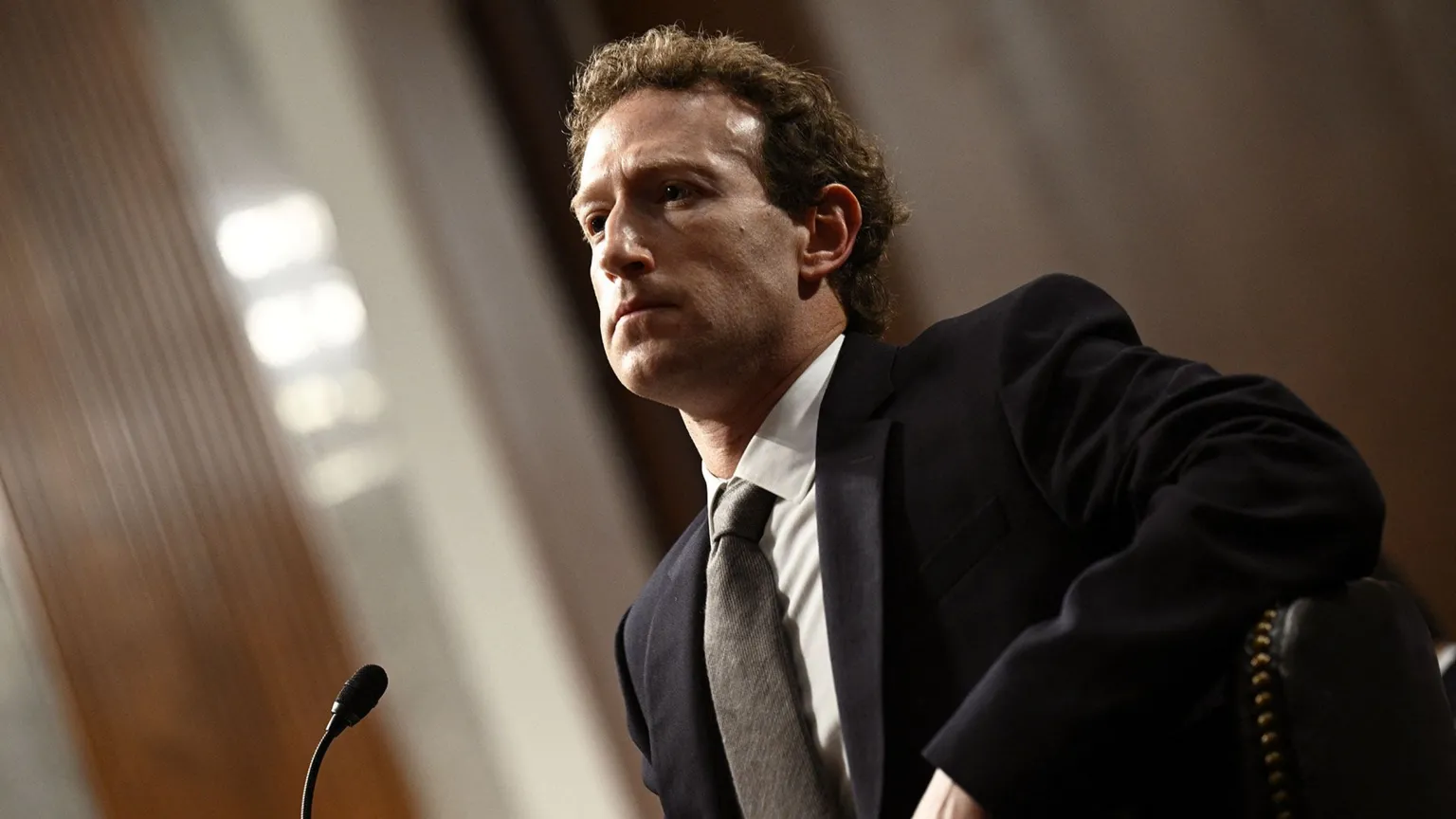
One highly anticipated moment is the testimony of Meta’s CEO, Mark Zuckerberg. He will face pressure over his platform’s role in shaping youth mental health. In a 2024 Senate hearing, Zuckerberg denied a link between social media and mental health issues. However, he apologized for the harm caused by his platforms.
Legal experts warn that a loss for these companies could have major consequences. Section 230, which has long protected tech firms, could be challenged in court. Law professor Eric Goldman noted that while tech firms are likely to fight this, the legal landscape may change if they lose.
A Growing Movement Against Big Tech
This trial is part of a broader movement aimed at holding tech companies accountable. Many U.S. states have sued Meta for contributing to a youth mental health crisis. Countries like Australia and the UK are also considering stricter regulations. If the case succeeds, it may encourage more lawsuits against social media platforms.
Mary Anne Franks, a law professor at George Washington University, said, “There’s a tipping point when it comes to the harms of social media.” She added that tech companies can no longer be shielded from their responsibility to protect users.
The trial is expected to last for several weeks. Jurors will hear evidence from company documents and executives. This case could be a turning point in how social media companies are regulated.
Read Also
CRA Call Centre Problem: Canada’s Service Woes
Trump’s Greenland Tariffs Threat: What’s Next?
Netflix vs Warner Bros: A Look at the Future