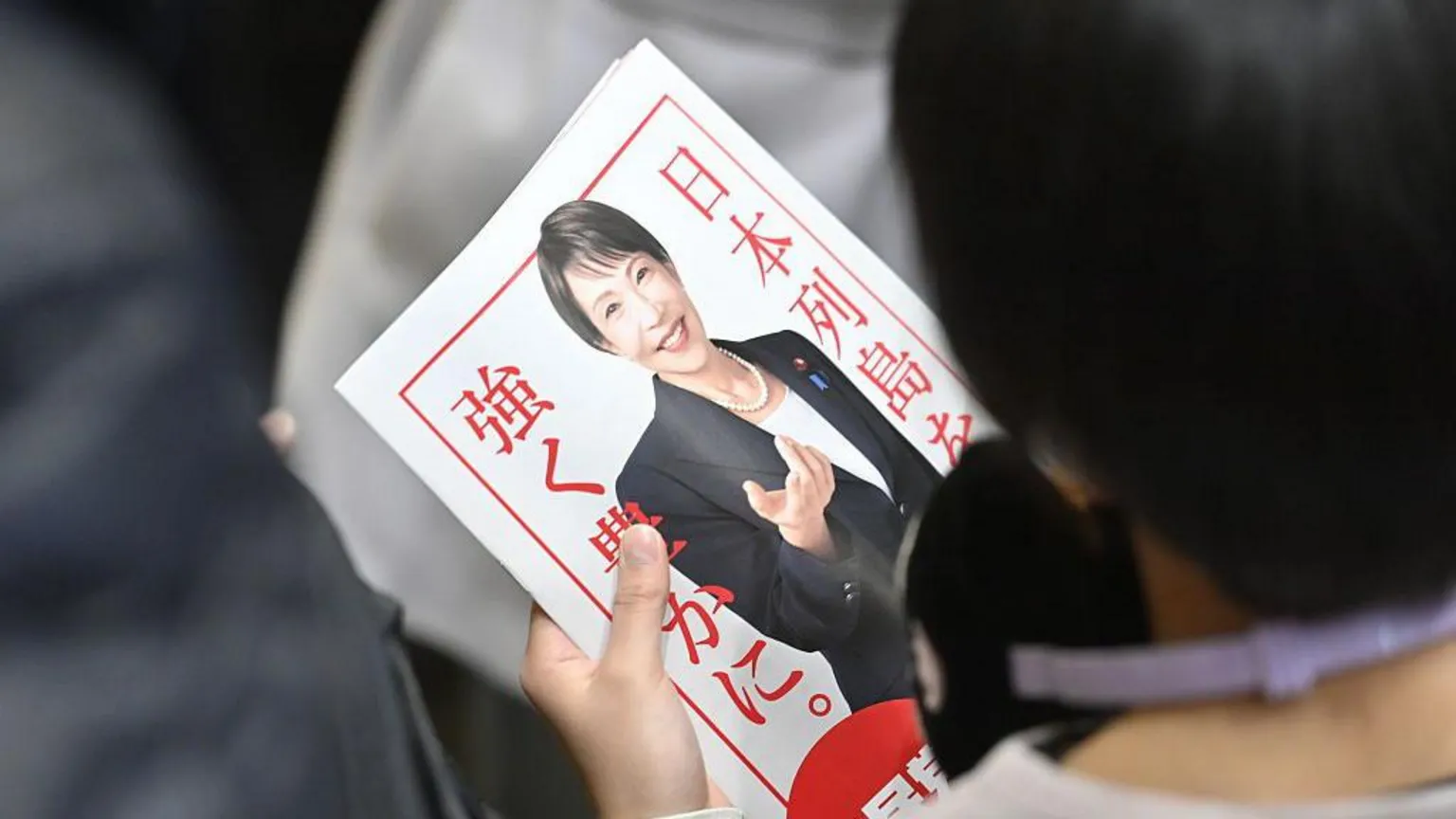
Takaichi election win has handed Japan’s prime minister an unusually strong mandate at a time of deep economic uncertainty. Sanae Takaichi called a snap election, took a political risk, and emerged with a commanding majority of 316 seats in the 465-member parliament. For a country used to short-lived leaders, the result signals rare political stability.
The Liberal Democratic Party’s landslide victory places heavy expectations on Takaichi. Japan faces sluggish growth, the world’s largest public debt, and a workforce that is ageing and shrinking. Voters backed her promise to revive the economy, yet the scale of the challenge remains daunting.
Supporters argue the majority gives her room to act decisively. However, critics warn that bold promises also bring financial risks. As a result, investors, households, and foreign partners are watching closely.
Takaichi election win reshapes political stability
Japan has endured a revolving door of prime ministers for years. Therefore, the decisive result breaks a long pattern of fragile leadership. With firm parliamentary control, Takaichi can push legislation without constant coalition pressure.
Tomohiko Taniguchi, a former adviser to Shinzo Abe, says the opportunity is historic. He believes success could turn Japan into a model for ageing societies. Still, expectations will rise quickly under such dominance.
Spending plans and market response
During the campaign, Takaichi promised higher spending on strategic industries. At the same time, she pledged tax cuts to boost consumption. This marked a shift from recent fiscal caution.
Markets initially reacted with uncertainty. Investors questioned how Japan would fund spending while cutting taxes. After the election, confidence improved and markets responded positively.
Many investors entered the so-called Takaichi trade. They bought Japanese shares while selling government bonds and the yen. However, the yen later strengthened, which some investors viewed as a positive signal.
Debt concerns and inflation pressure
Despite optimism, concerns persist. Government bond yields rose when Takaichi took office. Higher yields increase the cost of servicing Japan’s massive debt.
Because Japan’s bond market is among the largest globally, even small shifts can ripple worldwide. Meanwhile, the Bank of Japan is trying to exit ultra-low rates to control inflation.
Rising prices have already reshaped public sentiment. The cost of rice doubled in 2025, shocking consumers. Consequently, inflation helped drive the political change behind Takaichi election win.
Read Also
US and India agree on trade deal lowering tariffs and boosting trade
Disney parks face drop in international visitors but US bookings set to grow
Gold and silver prices fall after record highs amid political turmoil
Global markets and policy shifts shaping business outlook
Debate over economic direction
Some economists warn that tax cuts and spending could worsen inflation. Keiichiro Kobayashi of Keio University says such policies may raise living costs further. Instead, he supports tighter fiscal control and gradual rate hikes.
Others argue austerity would stall growth. Therefore, Takaichi faces a delicate balance between stimulating demand and reassuring investors. The credibility of her approach will shape confidence.
Demographics and labour shortages
Japan’s ageing population continues to strain public services. Labour shortages already affect construction, care work, agriculture, and hospitality. Fewer workers limit output and weaken growth.
Immigration could ease the pressure. Although Japan has relaxed some rules, foreign workers remain limited. Takaichi has signalled caution, reflecting conservative voter concerns.
She instead promotes automation and higher participation by women and older workers. Economists warn these steps may not be enough without more foreign labour.
China, trade, and geopolitics
China has overtaken Japan in industrial scale and remains its largest trading partner. While domestic demand may recover slowly, trade remains essential.
Tensions with Beijing have exposed supply chain vulnerabilities, especially in rare minerals and pharmaceuticals. Takaichi aims to reduce dependence in critical sectors.
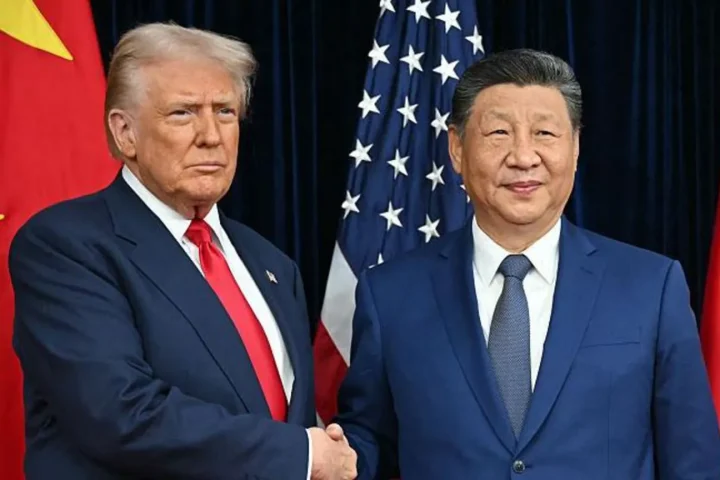
She has also strengthened ties with the United States, including defence commitments. Still, analysts say Japan must balance relations with both powers carefully.
Takaichi election win delivers stability and a rare chance for reform. Whether it leads to lasting growth depends on how she manages debt, inflation, demographics, and geopolitics.
Read Also
Meta expands premium subscriptions amid revenue diversification
Social media addiction trial raises pressure on tech firms
Netflix and Warner Bros signal new phase in streaming rivalry