A New Chapter in UK-China Travel and Diplomacy
A significant barrier to travel between the United Kingdom and China has now been lifted, marking a pivotal shift in bilateral relations and opening a new corridor for people-to-people exchange. For the first time in over twenty years, British citizens holding ordinary passports can plan a trip to mainland China without the prior need for a visa. This groundbreaking policy, confirmed by authorities in early 2026, permits visits for tourism, business meetings, and family purposes for stays of up to thirty days. The move instantly transforms the logistical landscape for countless travellers, businesses, and educational institutions, reducing both cost and lead time for short-term visits.
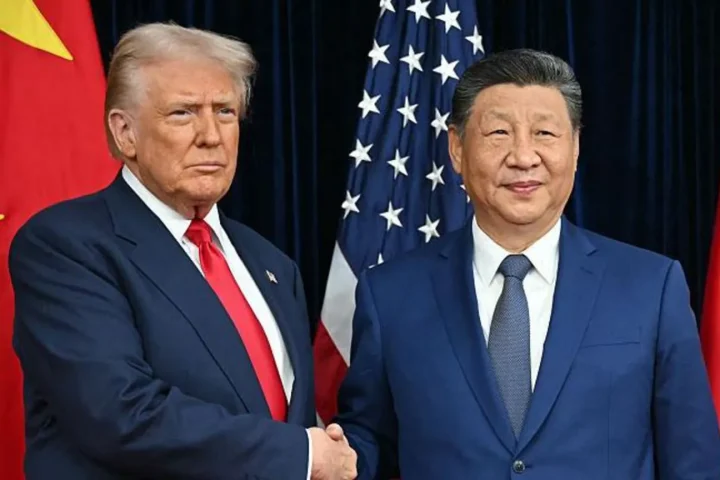
The establishment of this visa-free China access for Britons is far more than a simple administrative tweak; it is a substantial diplomatic gesture. Finalized during high-level talks, the agreement is widely characterized as a deliberate “confidence-building measure.” It aims to thaw relations that have experienced periods of strain, seeking to reboot vital economic and cultural connections in a post-pandemic world. For the United Kingdom, it presents a tangible opportunity to deepen engagement with one of the world’s largest economies, particularly for small and medium-sized enterprises (SMEs) and the education sector, which have long-standing ties.
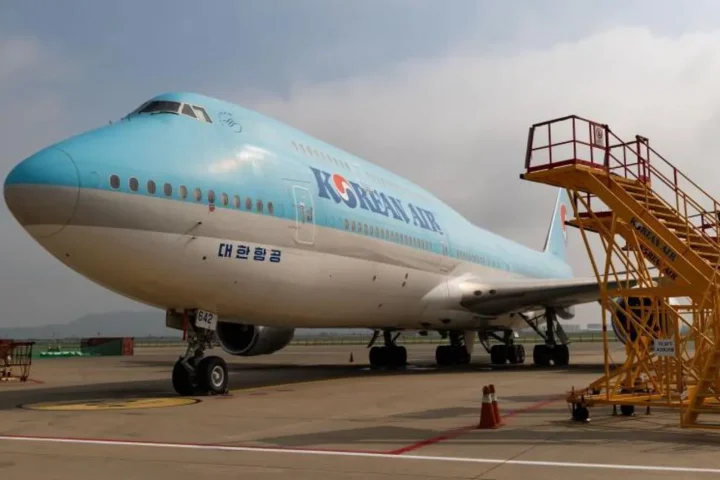
Practically, this change unlocks immediate potential. Airlines reported a surge in flight searches and bookings to key Chinese destinations like Beijing and Shanghai within hours of the announcement. The removal of a process that typically added weeks of planning and significant fees removes a major deterrent for spontaneous business trips, last-minute conference attendance, and leisure travel. This visa-free China access is a powerful tool for rekindling the robust tourist flows and commercial dialogues that benefit both nations, testing the pent-up demand for direct engagement.
Also read: China Grants 30-Day Visa-Free Entry to UK Nationals After Starmer-Xi Meeting
Understanding the Scope and Conditions of the Visa Waiver
While the new rule is transformative, travellers must understand its specific scope and the conditions that remain in place. The waiver applies to British ordinary passport holders entering China for purposes of tourism, business meetings, academic conferences, family visits, or transit. The key limitation is the duration: the permit is strictly for stays not exceeding thirty days per entry. Those intending to work, undertake formal study, conduct news reporting, or stay for longer consecutive periods must still apply for the relevant visa through standard channels before travel.
Several important requirements persist alongside the visa-free China privilege. All eligible travellers must still complete China’s Advance Passenger Information (API) form, typically provided by airlines during check-in. Immigration officers at the port of entry retain the right to request evidence of a return or onward ticket, proof of sufficient funds for the stay, and details of accommodation. Furthermore, all visitors must continue to comply with local regulations, which may include specific public health measures or data privacy laws. Carrying sensitive corporate or personal data on electronic devices without proper authorization remains strongly discouraged due to ongoing security screenings.
Strategic Implications for UK Business and Trade
For British businesses, this policy shift is a strategic boon, particularly for companies looking to explore or reinvigorate their presence in the Chinese market. The most immediate impact is on agility. The ability to dispatch staff for short-notice troubleshooting, trade fairs, or partnership meetings without a lengthy visa-application bottleneck is a considerable competitive advantage. It significantly reduces the administrative overhead and cost, previously averaging several weeks and hundreds of pounds, associated with short-term business travel.
Also read: Why Distraction in Times of Crisis Can Be More Dangerous Than We Think
Sectors such as education, professional services, and creative industries stand to gain considerably. Universities can more easily facilitate faculty exchanges and recruitment tours, while consultants and architects can pitch for projects with greater responsiveness. The visa-free China access lowers the threshold for market exploration, allowing SMEs to test opportunities with lower initial investment. Observers suggest that if this initial waiver proves successful and stable, it could pave the way for further facilitations, such as expanding the existing multi-entry business visa arrangements between the two countries.
Essential Travel Preparation and Practical Advice
Preparation remains key to a smooth journey under the new visa-free regime. Before departure, travellers should take several prudent steps. First, ensure your passport is valid for at least six months from the date of entry and has blank pages. While not required for the waiver itself, comprehensive travel insurance that includes medical coverage for China is essential. Companies sending employees should update their travel risk management and duty-of-care briefings to reflect the new entry rules while reiterating standing advice on local laws, cybersecurity, and social media access.
Upon arrival, be prepared for standard immigration procedures. Have digital or printed copies of your hotel reservations, return flight itinerary, and invitation letters if traveling for business readily accessible. While the visa requirement is waived, the discretion of the immigration officer is final, so presenting a clear and legitimate purpose for your visit is crucial. For those whose travel plans evolve, note that extending the 30-day stay from within China is generally not possible under this waiver; you must exit before the 30 days elapse.
A Catalyst for Broader People-to-People Exchange
Beyond commerce, the true success of this policy will be measured in the revitalization of tourism and cultural exchange. Before the pandemic, China was a rapidly growing source of tourists for the UK, and reciprocal travel was a foundation for mutual understanding. This visa-free China access directly removes a primary hurdle for British tourists curious about China’s historical sites, modern cities, and diverse landscapes. Travel agencies are already curating new itineraries to capitalize on the simplified process, expecting a boost in group and independent travel.
The educational sector also receives a significant boost. Student recruitment, summer program promotion, and institutional partnerships all benefit from the ease with which staff and prospective students can now make introductory visits. This face-to-face interaction is irreplaceable for building the long-term relationships that underpin academic collaboration and student mobility. In essence, this travel facilitation agreement is an investment in the human networks that sustain durable international partnerships, fostering a deeper, more nuanced dialogue between the UK and China in the years to come.