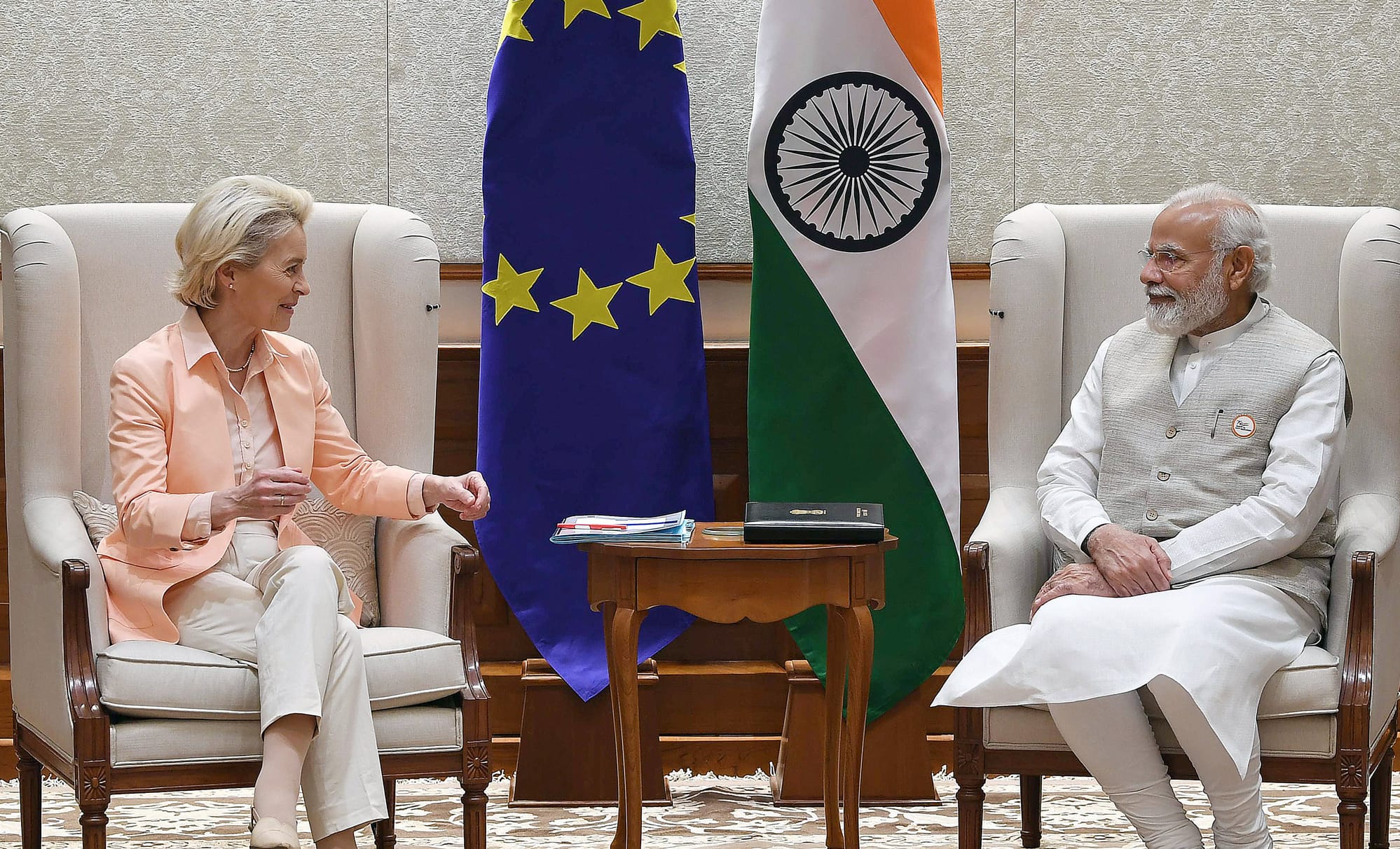
India and the European Union are advancing their efforts toward a comprehensive Free Trade Agreement (FTA) that promises to reshape the economic landscape between the two regions. Over the last few months, negotiations have intensified, signaling optimism on both sides about securing a deal that will not only enhance bilateral trade but also establish a foundation for long-term economic cooperation. With an emphasis on mutual growth and diversified trade relations, both India and the EU are keen to finalize this FTA by the end of 2025.
This growing partnership comes at a time when both India and the EU are looking to bolster their economic positions on the global stage. With the EU as India’s largest trading partner in goods, valued at over USD 137 billion in 2023, the FTA is seen as a crucial step toward solidifying stronger trade relations. The deal will also focus on enhancing market access, removing tariff barriers, and ensuring regulatory alignment, which is expected to benefit industries across both regions.
As trade negotiations progress, several key areas are being addressed, including trade in goods and services, intellectual property rights, and investment protection. India, with its rapidly expanding manufacturing and service sectors, aims to tap into the vast EU market for garments, pharmaceuticals, steel, and electronics. In return, the EU is looking for tariff reductions in sectors such as automobiles, medical devices, and wines. Both parties are focusing on creating resilient supply chains that are aligned with their long-term economic objectives.
The Strategic Value of the India-EU FTA
The strategic importance of the FTA for both India and the EU cannot be overstated. For the EU, securing a commercially viable agreement with India, a rapidly growing economy, is vital to maintaining its competitiveness in the global market. India’s economy has grown significantly in recent years, and the FTA provides an opportunity for the EU to tap into emerging sectors such as digital trade and renewable energy.
India, on the other hand, is eager to diversify its trade partnerships and enhance its global market presence. The EU’s focus on sustainable development aligns with India’s own priorities, making the FTA an ideal platform to strengthen cooperation on green technologies, climate change initiatives, and clean energy development. The FTA will pave the way for both regions to address global challenges while fostering inclusive growth.
Key Negotiation Areas for the India-EU FTA
The India-EU FTA negotiations cover a broad range of areas, each designed to create a more seamless and mutually beneficial trade environment. One of the primary focuses is trade in goods, particularly the reduction or removal of tariffs on products where both sides see high potential for growth. Sectors such as automobiles, pharmaceuticals, and textiles are at the forefront of the discussions. India is also seeking to increase its export volume of steel and electronic products, which are in demand across European markets.
Another critical area of negotiation is services, where India has a competitive edge, particularly in information technology and professional services. The FTA is expected to enhance India’s access to European markets in these sectors, which could be a game-changer for India’s growing services export industry. Intellectual property rights are also a focal point, with both India and the EU working to ensure that the agreement protects and encourages innovation in both regions.
Bilateral Trade and Economic Growth
Bilateral trade between India and the EU is already significant, but both sides believe there is untapped potential to further enhance their economic relationship. With India’s large population and rapidly expanding middle class, the country presents a high-growth market for European businesses looking to expand their footprint. Conversely, Europe’s advanced technology and industrial expertise are crucial for supporting India’s economic modernization and infrastructure development.
The FTA is expected to benefit both regions by facilitating more efficient trade, reducing costs for businesses, and ensuring greater economic integration. It will also create new opportunities for small and medium-sized enterprises (SMEs) in both regions to expand into each other’s markets. For India, access to the EU’s high-demand sectors like automobiles and renewable energy technologies will be key drivers of growth.
As the next round of negotiations approaches, set for May 2026, both India and the EU are focused on narrowing down outstanding issues, especially in areas related to tariff barriers and market access. The talks will continue to prioritize creating equitable conditions for industries in both regions while maintaining a balance between market liberalization and the protection of sensitive sectors.
Both sides are optimistic that an agreement can be reached in 2025, bringing enhanced economic cooperation, improved trade flows, and stronger diplomatic ties. The India-EU FTA is seen as a forward-looking initiative that will not only benefit both regions economically but will also set the stage for broader global economic collaboration in the years to come.