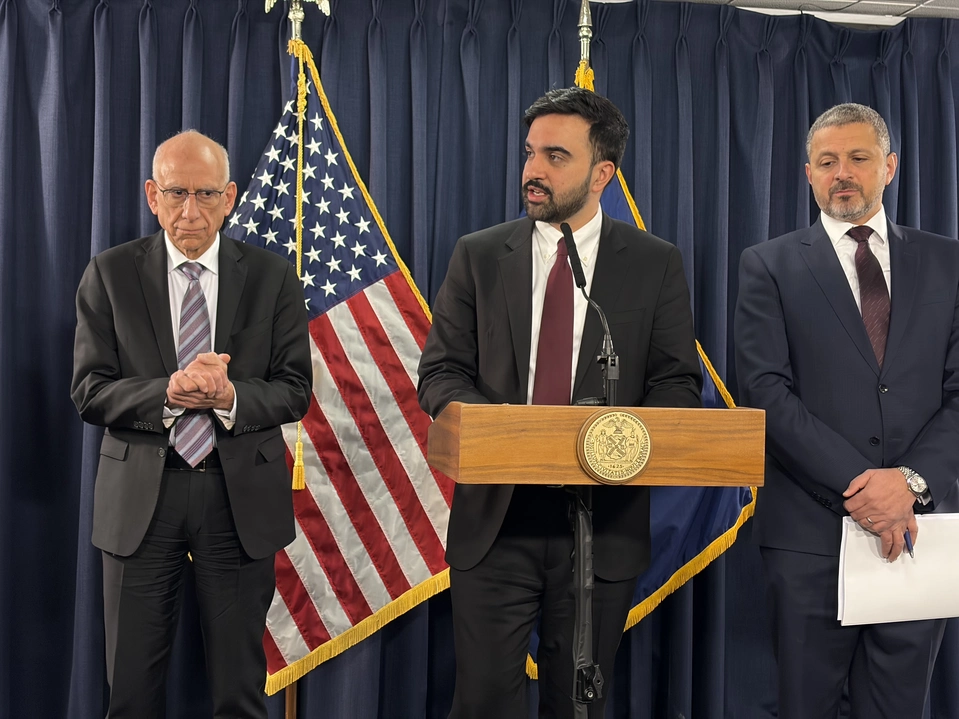
New York City Mayor Zohran Mamdani delivered a crucial update on the city’s fiscal health during his testimony in Albany this week, revealing that the city’s budget deficit was considerably smaller than initially projected. While this news initially provided some relief, it did not quell the mayor’s ongoing push for significant tax hikes on the city’s wealthiest residents and large corporations. Mamdani’s visit to Albany comes at a time of intense political debate over the city’s budget and its financial future, with Governor Kathy Hochul steadfastly opposing tax increases.
Mamdani’s revised budget outlook, delivered during the annual “Tin Cup Day” hearings at the New York State Capitol, represents a shift from the dire predictions made just weeks earlier. The mayor had previously warned that the city was facing a deficit greater than the Great Recession’s, but now, thanks to higher-than-expected Wall Street revenues, improved tax collections, and strategic use of city reserves, the shortfall had narrowed by approximately $5 billion.
Mayor Mamdani’s Push for Tax Increases
Despite the more positive budget update, Mamdani reiterated his call for higher taxes on the wealthy to secure long-term funding for the city’s services. He emphasized that while progress had been made, New York City still faces significant challenges, including rising costs and a growing need for sustainable revenue sources. “The most responsible way off this ledge is with dedicated, recurring revenue that can provide the services New Yorkers deserve,” he told lawmakers. His comments reflect the ongoing tension between the city’s need for increased revenue and Governor Hochul’s refusal to approve new tax hikes.
Mamdani’s argument for tax increases remains rooted in the city’s ongoing fiscal struggles. Even with a smaller budget gap, the mayor argues that the city cannot rely on short-term fixes, such as tapping into reserves, to address its long-term financial needs. Mamdani continues to push for reforms to the tax system, advocating for an increase in taxes on large corporations and the wealthiest individuals in the city. However, his stance has led to friction with Hochul, who has made it clear that she will not endorse such tax hikes, especially as she prepares for a critical reelection campaign.
Hochul’s Reluctance to Raise Taxes
Governor Hochul’s opposition to tax hikes is grounded in her broader fiscal philosophy, which prioritizes fiscal responsibility and economic stability. She has resisted calls from her left-wing supporters, including Mamdani, for broad-based tax increases, arguing that the state already has progressive tax rates in place. When unveiling her $260 billion state budget plan in January, Hochul did not include any new taxes, instead focusing on improving the efficiency of existing programs.
Hochul’s position on tax increases is in stark contrast to Mamdani’s, with the mayor viewing them as necessary to secure a sustainable future for the city. While the two share some policy goals, such as expanding free child care and easing housing development regulations, the divide over taxes remains a critical issue. The lack of agreement on this issue has become a focal point in their political relationship, with Mamdani and his allies continuing to pressure Hochul to support tax hikes despite the governor’s repeated resistance.
Disagreements Over the City’s Financial Relationship with the State
Mamdani’s testimony also highlighted the longstanding tension between the city and state regarding the distribution of resources. The mayor decried what he described as an “extraction” of resources from New York City, pointing out that while the city generates nearly 60 percent of the state’s total revenue, it receives less than 50 percent of the state’s budget in return. This inequity, Mamdani argues, has left the city at a disadvantage when it comes to funding essential services and addressing its budgetary needs.
The mayor’s criticisms of the state’s treatment of New York City were echoed by several state lawmakers, who signaled an openness to revisiting past programs that provided direct aid to the city. Mamdani’s call for a reset in the relationship between Albany and City Hall resonated with some lawmakers, who expressed support for finding new ways to collaborate on fiscal policy.
Political Support and Resistance Within the State Legislature
As Mamdani continued his testimony, his fiscal plan was met with a mixture of support and resistance from lawmakers. Some, including members of the Working Families Party, expressed enthusiasm for his proposals and urged the governor to reconsider her stance on tax hikes. Working Families Party Co-Chair Jasmine Gripper emphasized that while the city’s improved budget outlook was welcome, the need for tax reform remained urgent. “They have two options: They can either balance the budgets on children and families or they can balance the budget on the backs of the rich who got a tax cut from Donald Trump,” Gripper said.
On the other hand, Republican lawmakers, including state Sen. Tom O’Mara, voiced concerns about the potential impact of tax increases on the city’s financial sector. O’Mara argued that raising taxes on wealthy individuals and corporations could drive businesses out of the city, particularly in industries such as finance and securities, which contribute significantly to New York’s economy. O’Mara’s comments reflect the bipartisan nature of the debate, with some lawmakers from both parties worried about the economic consequences of tax hikes.
Use of City Reserves and Long-Term Financial Stability
One of the key elements of Mamdani’s revised budget outlook was the use of $1.45 billion from the city’s reserves to reduce the budget gap. While this move provided short-term relief, it has raised concerns about the sustainability of the city’s fiscal strategy. Budget Director Sherif Soliman acknowledged that tapping into the reserves would effectively deplete the city’s emergency funds for the current fiscal year, although other contingency funds remain available. Deputy Mayor Dean Fuleihan warned that relying on reserves was not a long-term solution, stressing the need for sustainable revenue sources to support the city’s financial stability.
Mamdani’s budget proposal reflects a broader shift in how the city is approaching its financial challenges. While the mayor has made some progress in reducing the deficit, his administration is focused on finding stable and recurring revenue sources that can fund the city’s priorities without over-relying on one-time fixes. The mayor’s continued push for tax increases is central to his long-term vision for the city’s financial health, but his efforts are likely to face resistance from both the governor and certain factions of the state legislature.
Looking Ahead: The Battle Over Taxes and New York’s Future
As the political debate over taxes and the city’s budget continues, Mamdani’s leadership will be tested by the pushback from the governor and other state officials. While the mayor has secured some victories, such as a plan to expand child care services and ease housing development regulations, his proposals for tax hikes remain a contentious issue. The ongoing discussions between Mamdani and Hochul will likely shape the future of New York City’s finances, and the outcome could have lasting implications for the state’s fiscal policy.
With the next state budget negotiations on the horizon, the mayor’s push for increased taxes on the wealthy will remain a central point of contention. Whether Mamdani can persuade the governor to shift her stance on taxes will depend on the political dynamics in Albany and the broader economic outlook for New York. For now, the battle over the city’s budget continues, with Mamdani seeking to balance the need for fiscal responsibility with the pressing need to fund the services that New Yorkers depend on.