The European Union (EU) manages a complex financial system that includes both long-term and annual budgets, contributions from member states, and physical assets. Understanding how the EU budget works is crucial for grasping its economic influence and global reach.
Long-Term Budget (2021-2027)
The EU’s long-term budget (also known as the Multiannual Financial Framework or MFF) totals €2 trillion for the period from 2021 to 2027. This budget includes the NextGenerationEU recovery instrument, which was introduced to support economic recovery after the COVID-19 pandemic. The long-term budget sets out the EU’s spending priorities, ensuring the financial sustainability of the union for the next several years.
Annual Budget
Every year, the EU sets an annual budget, which typically ranges between €160 billion to €200 billion. This budget covers a wide range of expenditures, including economic development, research and innovation, infrastructure, and external relations. The European Parliament and member state governments make decisions on how this budget is allocated, ensuring the EU remains responsive to the needs of its citizens.
Funding Sources
The EU finances its budget through various revenue streams. Key funding sources include:
- Contributions from Member States: Each EU country contributes based on its Gross National Income (GNI). Wealthier countries contribute more to the EU budget.
- Customs Duties: The EU collects customs duties on goods imported into the union.
- VAT Contributions: A portion of national Value Added Tax (VAT) is collected to support the budget.
- Non-Recycled Plastic Packaging Waste: The EU also collects contributions from member states based on the amount of non-recycled plastic packaging waste they produce.
These sources ensure that the EU’s financial system remains sustainable and robust.
Gross Domestic Product (GDP)
The EU is one of the largest economies in the world, with a combined GDP of nearly €18 trillion. This massive economic size gives the EU significant influence in global trade, policy making, and international relations. The EU’s economic power allows it to shape global standards in sectors such as technology, environmental policy, and trade agreements.
The Headquarters Buildings
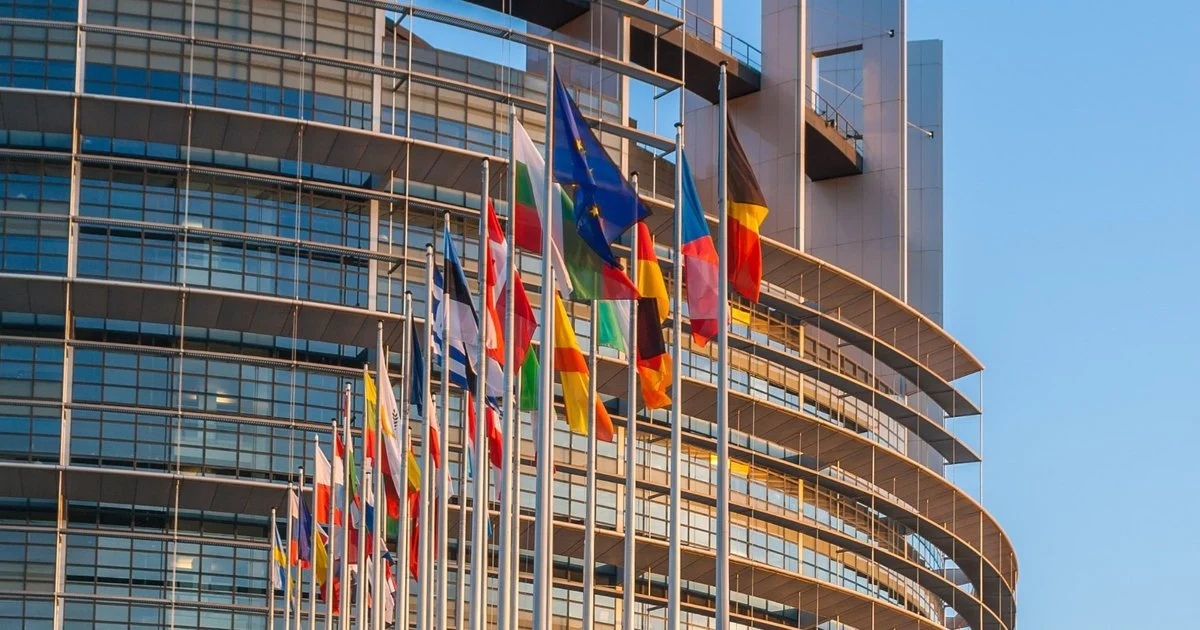
The EU has multiple headquarters across Europe, primarily located in Brussels, Belgium. In addition to the main headquarters, there are also key EU buildings in Luxembourg City, Luxembourg, and Strasbourg, France.
One of the most notable buildings is the Europa building in Brussels, which cost a reported €321 million to construct. This figure represents the cost of the building itself, rather than the EU’s overall financial worth. The building serves as a symbolic representation of the EU’s financial and institutional power.
While the EU owns various physical assets, its finances go far beyond just buildings. The EU’s financial system is built on a combination of contributions, commitments, and spending, which together form a well-structured and sustainable budgetary framework.
This article provides a clear and structured overview of the EU’s budget, funding sources, financial structure, and key assets, aligning with the title and focus keyphrase to ensure SEO optimization.