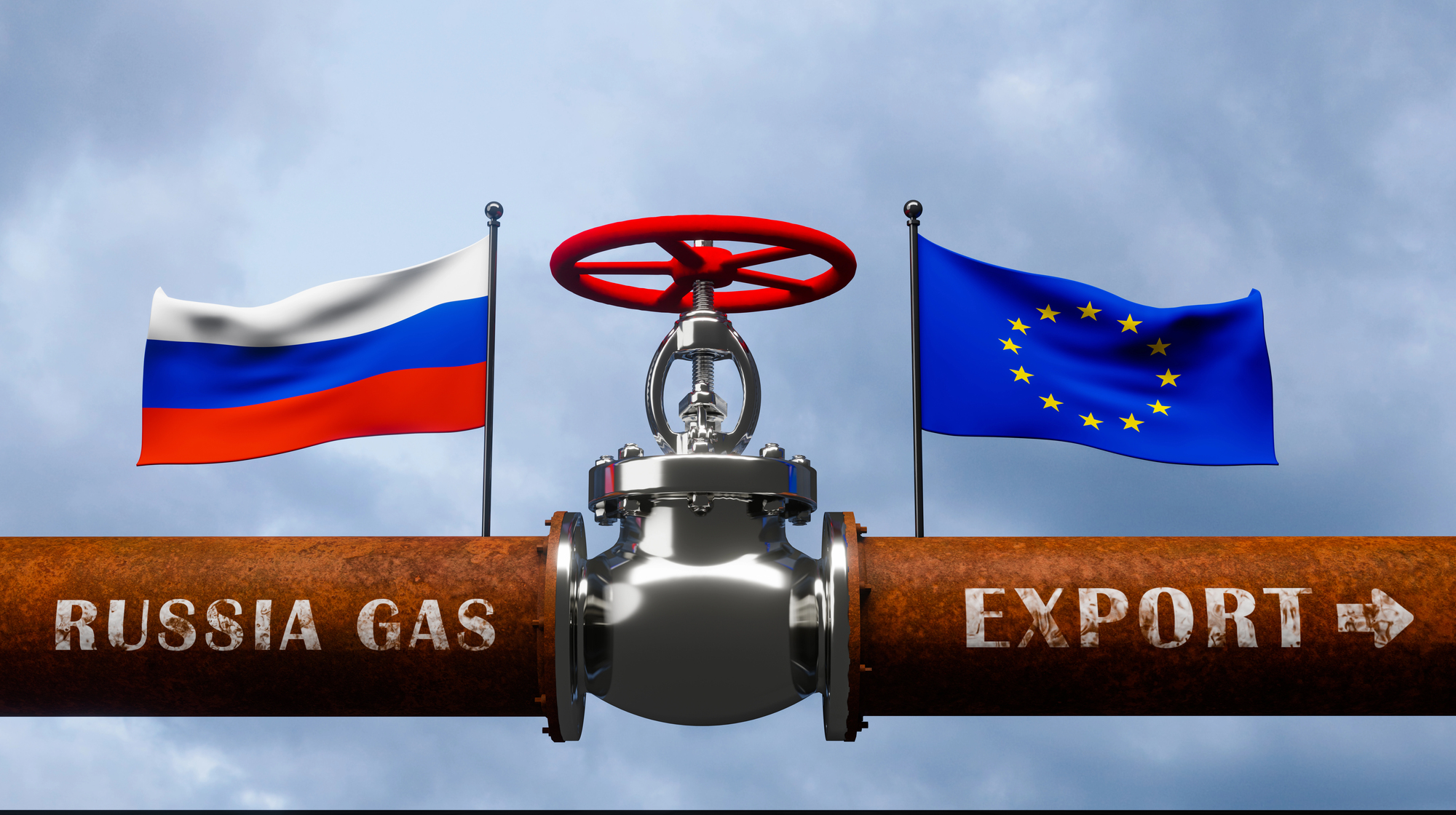
The European Union has crossed a critical threshold in its strategic decoupling from Russian energy thus moving from political commitment to binding law. With the official publication of the REPowerEU gas regulation in the Official Journal. the bloc has enacted the legal framework to systematically eliminate its reliance on natural gas from Russia. This landmark legislation codifies a historic decision hence setting 2027 as the definitive deadline to sever a dependency that has long shaped geopolitics and provided substantial financing for conflict. The regulation represents the most concrete step yet in a years-long journey to reconfigure Europe’s energy landscape, security, and economic resilience.
Also read: TotalEnergies CEO Predicts EU Will Ease SAF Mandate
This pursuit of energy independence is driven by a stark dual imperative. First, it is a direct response to the weaponization of energy resources, a tactic used to coerce and destabilize European nations. Second, it is a foundational component of the EU’s strategy to choke off the revenue streams funding Russia’s war in Ukraine. By legally mandating the phase-out, the EU transforms a collective political will into an irreversible legal obligation for member states and energy market operators. This move signals to global markets and to Moscow that Europe’s diversification away from Russian fossil fuels is permanent, accelerating investments in alternative sources and infrastructure.
The publication of the gas regulation is accompanied by a clear statement of intent on the next front: oil. The European Commission has announced its plan to table a legislative proposal for a similar ban on Russian oil imports, targeting adoption by 2027. This two-pronged approach on gas and oil underscores a comprehensive strategy to achieve full fossil fuel energy independence from Russia. The combined effect will fundamentally rewire continental energy trade, bolster EU sovereignty, and deliver a sustained economic blow to the Kremlin’s war machine.
Also read: EU countries give final approval to Russian gas ban
The Legal Architecture of the REPowerEU Gas Regulation
The newly enacted regulation provides the detailed legal provisions required to implement the gas phase-out. It establishes binding timelines, defines the roles and responsibilities of member states and regulatory bodies, and sets out mechanisms for monitoring compliance and ensuring solidarity across the EU. The regulation likely includes clauses on accelerating permitting for renewable energy projects, enhancing liquefied natural gas (LNG) terminal capacity, and reinforcing interconnections between national gas grids to improve resilience.
A key aspect of the regulation is its focus on a managed, yet unequivocal, transition. It provides a clear roadmap for energy companies and national governments, reducing market uncertainty and enabling long-term planning. The law also complements existing measures under the REPowerEU plan, such as the demand reduction targets and the rapid rollout of solar and wind power. By entering into force the day after its publication, the regulation demonstrates the urgency the EU attaches to this strategic objective, leaving no room for delay in its implementation.
Strategic Impacts on EU Security and Global Energy Markets
The decisive move toward energy independence carries profound implications beyond Europe’s borders. For EU security, it eliminates a primary lever of external influence, strengthening the bloc’s position in future geopolitical negotiations. Domestically, it accelerates the green transition, aligning security policy with climate goals. The mandated shift is catalyzing unprecedented investment in renewable hydrogen, biomethane, and energy efficiency, fostering technological leadership and creating jobs within the single market.
Globally, the EU’s pivot is permanently altering international energy flows. European demand for LNG from the United States, Qatar, and other suppliers has become structural, not temporary, reshaping global shipping routes and contract terms. Concurrently, Russia is forced to seek alternative buyers, often at a significant discount, reorienting its economic and diplomatic outreach. The EU’s regulatory action thus serves as a powerful market signal, proving that major economies can successfully re-engineer their energy supply chains for both security and sustainability.
The Road Ahead: Implementation and the Coming Oil Ban
The immediate focus now shifts to flawless implementation. Member states must transpose the regulation’s requirements into national energy plans, coordinate infrastructure upgrades, and support vulnerable industries and consumers through the transition. The Commission will play a crucial oversight role, ensuring that all countries remain on track to meet the 2027 deadline without backsliding or creating internal market distortions.
The announced forthcoming proposal on Russian oil will be the next major legislative battle. While the gas ban targets pipelines, an oil ban involves complex global shipping, insurance, and refining networks. The Commission’s statement indicates a careful but determined approach, aiming for a proposal by early 2026 to allow for a measured phase-out by 2027. Success on both fronts will mark the completion of a strategic energy divorce, fundamentally enhancing the EU’s ability to act as a cohesive and sovereign global power. This legislative momentum solidifies Europe’s resolve, proving that its commitment to security and values can reshape even the most entrenched economic relationships.