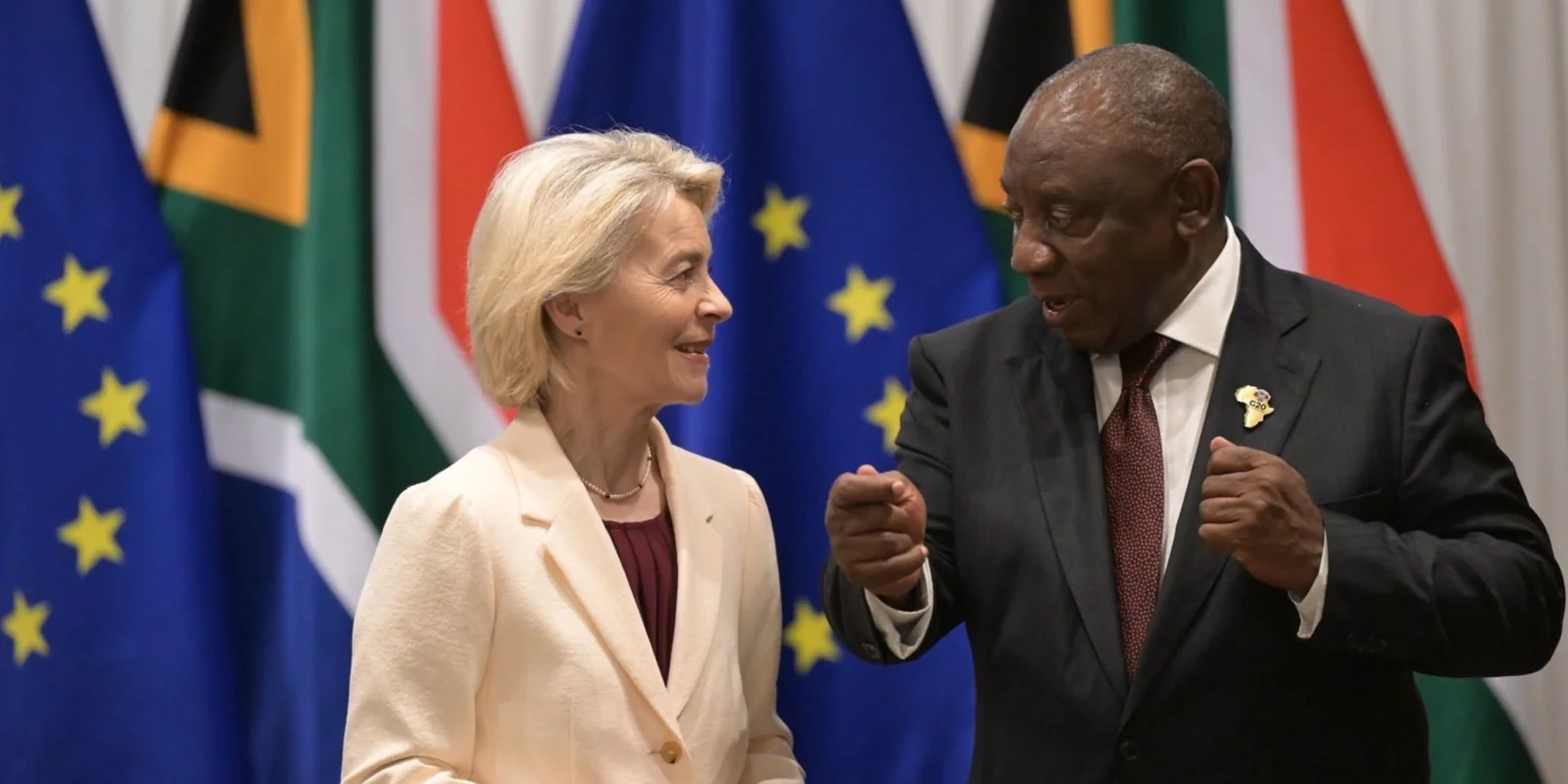
The European Union is actively working to strengthen EU trade ties with Africa at a major summit in Angola. This high-level meeting, which marks 25 years of formal relations between the EU and the African Union, aims to boost economic cooperation and investment. However, Europe’s ambitious plans face significant competition from other global powers already deeply embedded in the continent.
The summit represents a strategic effort to reset and future-proof the partnership. Consequently, European leaders are focusing on partnership models that promise mutual economic benefits. Despite these ambitions, the scale of Europe’s investment will struggle to match the financial commitments of rivals like China and the United States.
The Stakes for Europe and Africa
Forging stronger EU trade ties with Africa is a key priority for Brussels. The continent boasts a rapidly growing population and vast reserves of critical raw minerals. These resources are essential for the global green and digital transitions, which are central to the EU’s long-term economic strategy.
For African nations, the summit is an opportunity to attract diversified investment. The goal is to move beyond a raw material export model and build local manufacturing capacity. Therefore, the discussions will likely focus on creating sustainable value chains that benefit both continents.
Competing with Global Giants
The EU’s push to deepen EU trade ties with Africa occurs within a highly competitive landscape. China, through its Belt and Road Initiative, has financed and built massive infrastructure projects across the continent for years. Similarly, the United States is advancing its own initiatives to secure influence and partnerships.
To differentiate itself, the EU is promoting its “Global Gateway” strategy. This initiative frames European investment around sustainable development, high standards of governance, and transparency. This approach contrasts with the model of other international players, emphasizing a partnership of equals rather than a donor-recipient dynamic.
The Road Ahead for EU-Africa Relations
The Angola summit is more than a symbolic anniversary; it is a critical test of the EU’s ability to translate its vision into tangible action. Success will depend on delivering substantial financial commitments and facilitating greater market access for African products.
Ultimately, strengthening EU trade ties with Africa is a geopolitical necessity for Europe. By fostering a stable and prosperous partnership, the EU can help shape a more resilient economic future for both continents. For ongoing analysis of international trade policy, the European Commission’s Trade website provides official updates and data.
The outcome of this summit will determine whether the EU can effectively position itself as Africa’s partner of choice in an increasingly contested world.