The Hormuz oil crisis is pushing global energy markets into a period of extreme volatility. Oil prices continue to climb as the conflict involving the United States, Israel, and Iran enters its fifth day. Investors remain worried about the safety of the Strait of Hormuz, one of the most critical routes for global energy shipments.
Brent crude traded above $82 per barrel on Wednesday, while U.S. West Texas Intermediate hovered just below $75. Although prices rose more slowly than earlier in the week, markets still reacted to ongoing security risks in the region.
Strait of Hormuz Disruption Shakes Markets
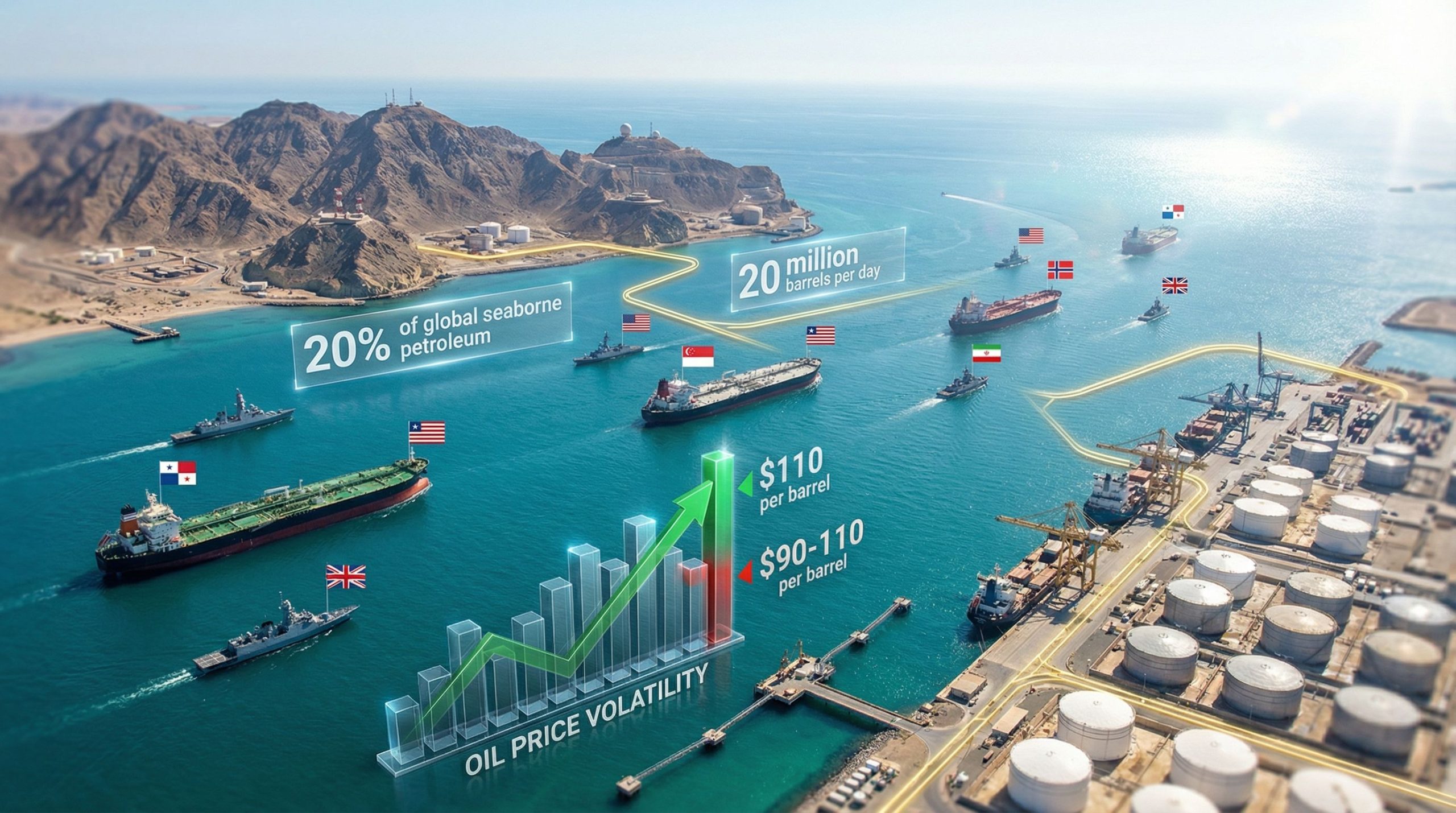
The Strait of Hormuz sits at the center of the Hormuz oil crisis because it handles roughly one-fifth of the world’s oil and liquefied natural gas shipments. Since the conflict escalated, shipping activity in the narrow waterway has dropped sharply.
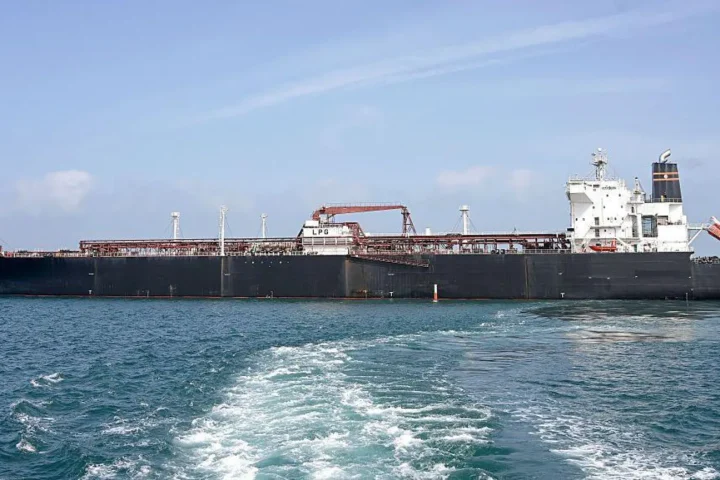
Data from energy intelligence firm Vortexa shows that crude tanker transits fell dramatically. Only four tankers passed through the strait on March 1, compared with an average of 24 vessels per day earlier this year.
Several ships were reportedly struck by projectiles near the channel, causing many shipowners to avoid the route. According to Lloyd’s List Intelligence, nearly 200 international tankers remain stranded in the Persian Gulf due to the security threat.
Natural Gas Prices React to War Signals
Natural gas prices also experienced significant swings during the crisis. European benchmark Dutch TTF futures dropped sharply after reports suggested Iranian operatives had reached out to explore possible negotiations with the United States and Israel.
Prices fell by as much as 12 percent, dropping below €48 per megawatt hour after reaching highs near €56 earlier in the week. Despite the decline, gas prices remain well above levels seen before the conflict began.
Earlier spikes were driven by concerns about liquefied natural gas supply after attacks forced production shutdowns in Qatar, a key exporter to Europe.
Markets Remain on Edge
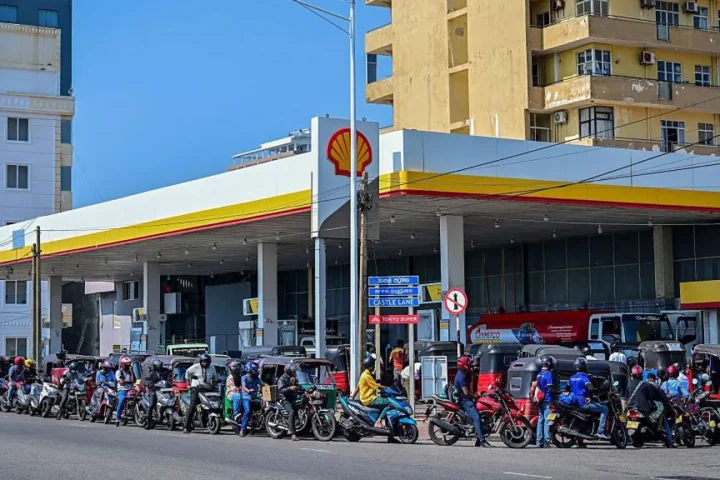
The Hormuz oil crisis has created uncertainty across global financial markets. Energy analysts say shipping insurance costs alone could raise oil prices significantly.
Mizuho Bank estimated that war-related insurance premiums could add between $5 and $15 per barrel to oil prices. That added cost reflects the ongoing risks facing tanker operators.
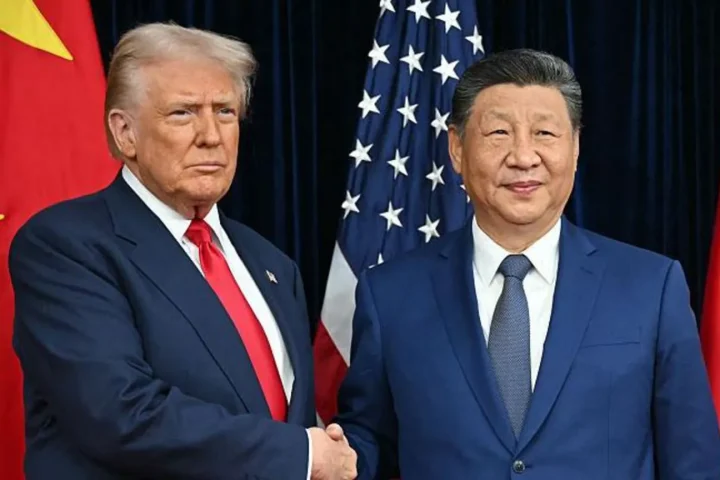
Meanwhile, U.S. President Donald Trump said the United States could escort oil tankers through the strait if necessary. The government also promised political risk insurance for shipping companies.
Despite those assurances, market confidence remains fragile. Goldman Sachs has already raised its oil price forecasts for the second quarter, warning that prolonged disruption could push prices toward $100 per barrel.
Higher energy prices could also complicate global economic policy. Central banks may find it harder to reduce interest rates if energy costs continue driving inflation.
For now, the Hormuz oil crisis continues to influence global markets as investors watch closely for signs of escalation or diplomatic progress.