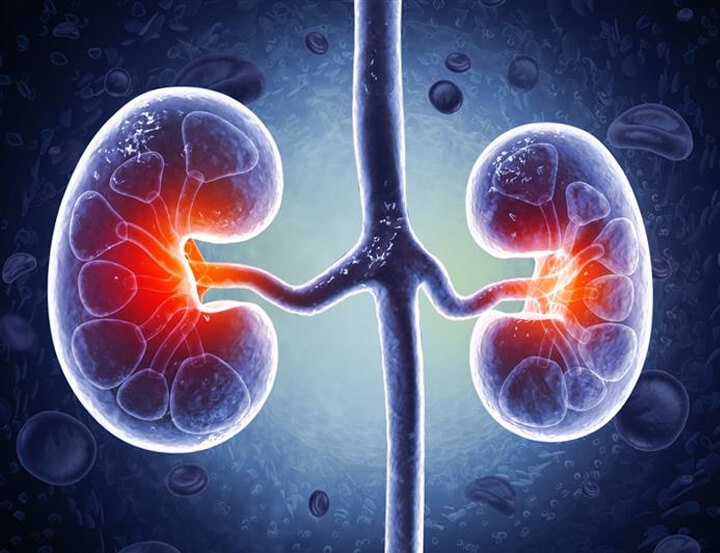
The kidneys play a crucial role in filtering waste and excess fluids from the body, maintaining overall health and balance. However, when kidney function begins to deteriorate, it can lead to a buildup of toxins and waste in the body, affecting various organs, including the skin. Kidney damage or chronic kidney disease (CKD) can manifest in several ways, and the skin is often one of the first places to show signs of distress.
While kidney disease itself is often asymptomatic in the early stages, there are several skin symptoms that can indicate kidney damage. These signs should not be ignored, as they may signal the need for medical attention. Here are 5 key skin signs that may point to kidney damage:
1. Dry, Itchy Skin (Pruritus)
One of the most common skin-related symptoms of kidney damage is dry, itchy skin, also known as pruritus. When the kidneys are not functioning properly, the body can accumulate waste products like urea, which can irritate the skin. This can lead to persistent itching, particularly in areas such as the back, arms, and legs.
The itchiness can be so intense that it causes scratching, which can result in skin damage or even infection. The skin may become scaly, flaky, and rough as a result of dehydration and the inability of the kidneys to regulate moisture effectively. This condition can worsen as kidney disease progresses.
2. Pale or Yellowish Skin (Uremic Frost)
Another noticeable sign of kidney damage is pale or yellowish skin, which can occur as a result of a condition called uremic frost. When the kidneys are no longer able to filter toxins properly, waste products like urea accumulate in the bloodstream. Urea can then be deposited on the skin, causing a white, powdery residue to form, known as uremic frost.
In addition to the yellowish tint, the skin may appear unusually dry and dull. The presence of uremic frost can indicate that kidney function is severely impaired and requires immediate medical attention.
3. Skin Rash and Inflammation
Kidney disease can cause changes in the immune system, leading to an increased likelihood of developing skin rashes and inflammation. The build-up of waste products in the blood can trigger an immune response that causes the skin to become red, inflamed, and irritated.
In some cases, the rash may appear as red patches, bumps, or blotches that can spread across the body. This rash may be accompanied by itching, especially when kidney function is significantly reduced. Certain types of rashes are also linked to specific kidney diseases, such as lupus nephritis or diabetic nephropathy.
4. Darkening of the Skin (Hyperpigmentation)
Another sign of kidney damage that may show up on the skin is hyperpigmentation, or the darkening of certain areas of the skin. This occurs when the kidneys fail to effectively filter waste and toxins, leading to imbalances in the body’s production of certain hormones. This can affect melanin production, resulting in uneven skin pigmentation.
Typically, the darkened areas are seen around the neck, elbows, and armpits. Hyperpigmentation can also be a sign of the body’s attempt to cope with the buildup of waste products that would otherwise be eliminated by the kidneys.
5. Swelling (Edema) and Puffiness
As kidney function declines, fluid retention can become a significant issue, causing swelling (edema) in various parts of the body, including the skin. Swelling typically occurs in the hands, feet, ankles, and face, particularly around the eyes. The skin may appear stretched and puffy, and pressing on the swollen area may leave an indentation (known as pitting edema).
This swelling happens because the kidneys are unable to properly regulate fluid balance. When the kidneys cannot filter out excess fluid, it accumulates in the body, leading to noticeable swelling and puffiness.
When to Seek Medical Attention
If you notice any of these skin signs, especially if they are accompanied by other symptoms such as fatigue, changes in urination, or shortness of breath, it’s crucial to seek medical attention immediately. Kidney disease is often a silent condition, and early detection is key to managing and treating it effectively. A healthcare provider will typically perform tests such as blood work, urine analysis, and imaging studies to determine the extent of kidney damage.