The global electric vehicle race has a new leader. Chinese automaker BYD has overtaken Tesla in sales, marking a pivotal shift in the industry. BYD’s strategy combines lower prices, a diverse model range, and rapid global expansion. Meanwhile, Tesla faces sales pressure and the impact of Elon Musk’s divisive political turn. This realignment demonstrates how China is actively reshaping the future of electric mobility.
The Sales Numbers Tell the Story
The divergence in performance is clear. In 2025, BYD sold about 2.25 million battery-electric vehicles (BEVs), with total deliveries reaching 4.6 million including plug-in hybrids. In contrast, Tesla’s sales have softened. Estimates project around 1.6 million deliveries in 2026, down from 1.79 million in 2024.
BYD’s product breadth is a key advantage. Its lineup spans compact city cars, premium sedans, SUVs, and commercial vehicles. Tesla’s active lineup remains narrower, focused on the Model 3/Y, Model S/X, and the low-volume Cybertruck. This variety helps BYD appeal to a wider consumer base globally.
The Musk Factor: Politics and Brand Erosion
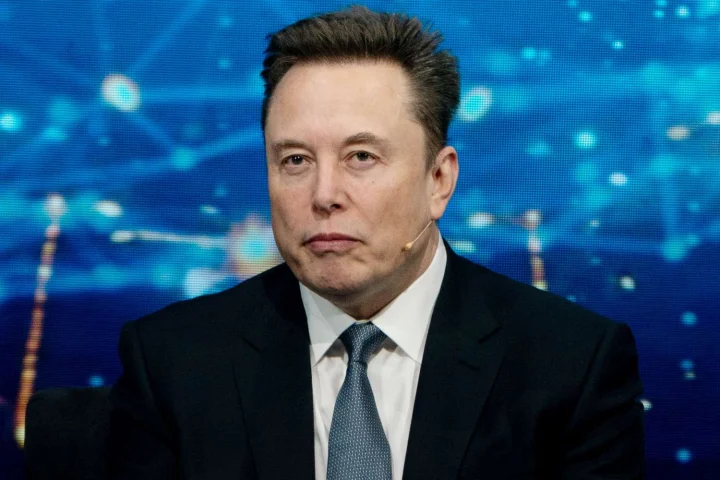
A significant headwind for Tesla is its CEO. A Yale University study found Tesla’s sales could have been 67-83% higher without Elon Musk’s political activities. Musk’s vocal support for far-right figures and large donations to Donald Trump have alienated some of Tesla’s core, environmentally progressive audience. His subsequent role in the Trump administration has further politicized the brand, which was once synonymous with pure tech-driven environmentalism.
BYD’s Strategic European Invasion
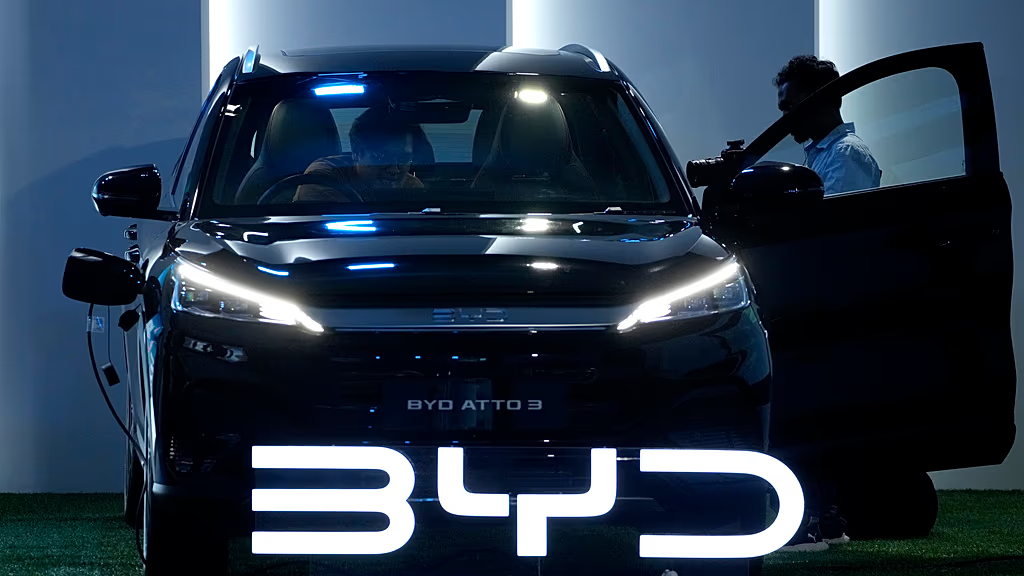
BYD’s success is not confined to China. The automaker is making deep inroads in Europe, a key Tesla stronghold. In May 2025, BYD registered more BEVs in Europe than Tesla for the first time. This happened despite the European Union imposing additional tariffs on Chinese EVs, alleging unfair subsidies.
BYD’s competitive pricing is decisive. Even with a 17% additional tariff, models like the BYD Dolphin start around €22,990. This undercuts the Tesla Model 3 (approx. €41,000) significantly. The value proposition is compelling European consumers to overcome initial skepticism about Chinese car quality.
The Broader Implications
BYD’s ascent signals a broader trend: the globalization of China’s auto industry. Backed by state support and vast manufacturing scale, Chinese EV makers are now setting the pace on price and technology. This forces Western automakers and Tesla to compete on new terms. The EU’s tariff response highlights the geopolitical tensions this shift creates.
BYD overtaking Tesla is more than a sales milestone. It represents a fundamental power shift in the automotive world. China’s industrial strategy, executed through companies like BYD, is successfully challenging Western incumbents. The future of the EV race will now be defined by this intense competition between Tesla’s brand legacy and BYD’s scale, speed, and strategic pricing.